
10 Early Warning Signs Your Roof May Need Repair
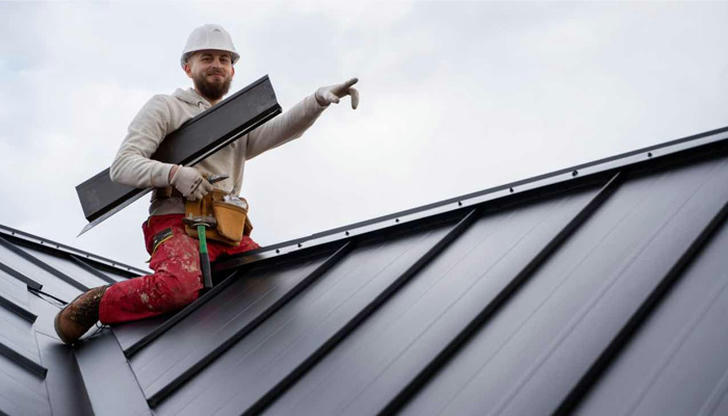
Your roof quietly protects your home from rain, wind, heat, and storms every day. Because it sits above everything else, many homeowners rarely check it until a leak appears. In reality, roof problems often develop slowly and give several warning signs before serious damage occurs. Learning to recognize these early signals can help you fix small issues before they turn into costly repairs.
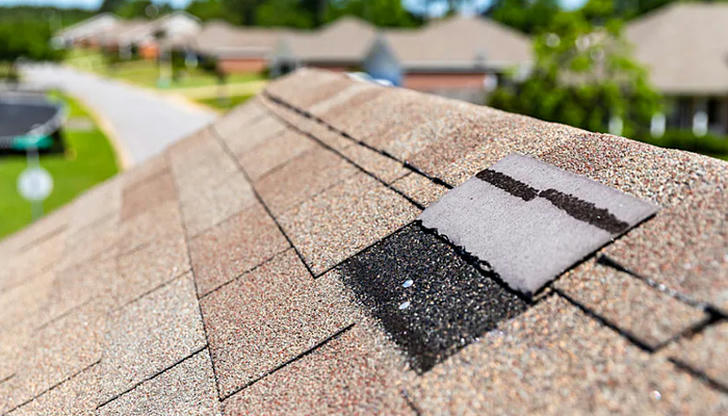
1. Missing or Damaged Shingles
Shingles are the outer layer that shields your roof from rain and sunlight. When they start to crack, curl, or disappear entirely, the roof becomes more vulnerable to water.
Strong winds and storms are common causes of shingle damage. After severe weather, it's a good idea to glance at your roof from the ground and look for uneven patches or missing pieces. Even a few damaged shingles can allow moisture to seep underneath.
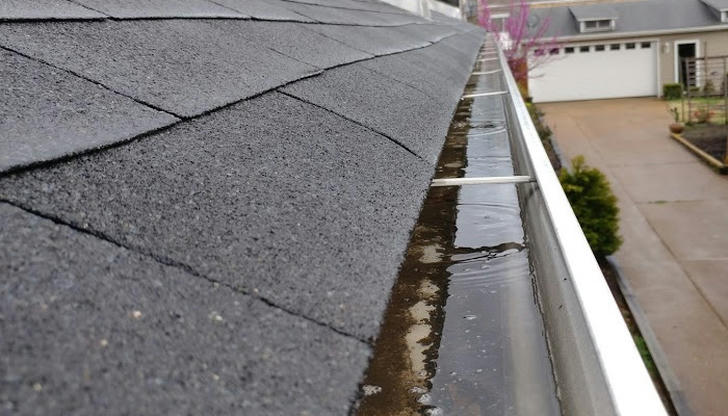
2. Granules Collecting in Gutters
Asphalt shingles contain tiny mineral granules that help protect them from sunlight. Over time, these granules gradually wear away.
If you notice dark, sand-like particles collecting in gutters or near downspouts, it may mean the shingles are starting to age. Granule loss reduces the roof's ability to resist heat and weather, which can shorten its lifespan.
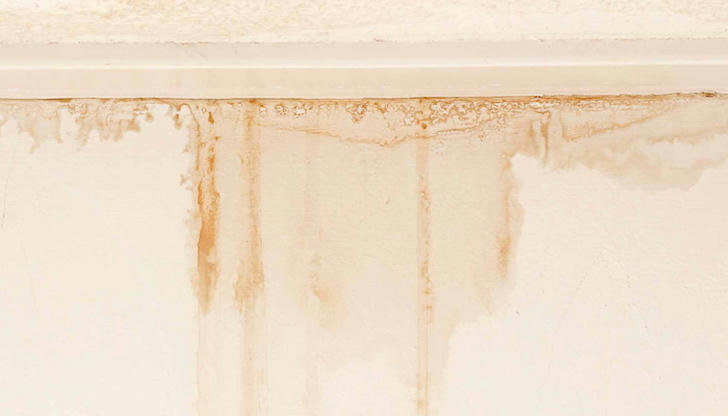
3. Water Stains on Ceilings or Walls
One of the most noticeable signs of roof trouble often appears inside the home. Yellow or brown stains on ceilings and walls may indicate that water is leaking through the roof.
Water doesn't always show up directly beneath the problem area. It can travel along beams or insulation before becoming visible. Even a small stain should be investigated because it may signal a slow leak.
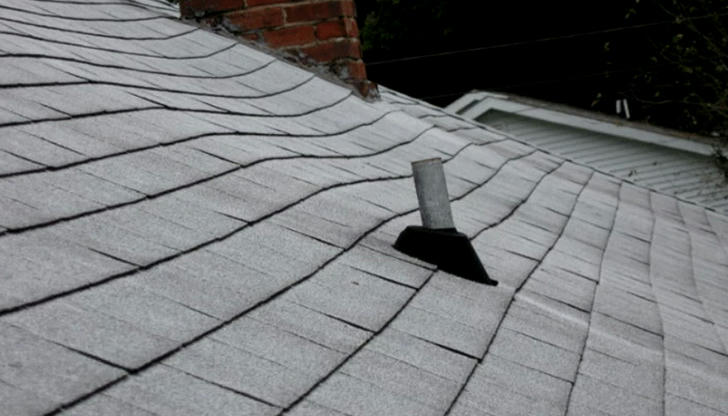
4. Sagging or Uneven Roof Areas
A healthy roofline should look straight and level. If certain sections appear to dip or sag, it could mean the materials underneath have weakened.
Moisture trapped in the roof deck or aging structural supports can cause sections of the roof to lose strength. Any noticeable sagging should be inspected quickly to prevent more serious structural issues.
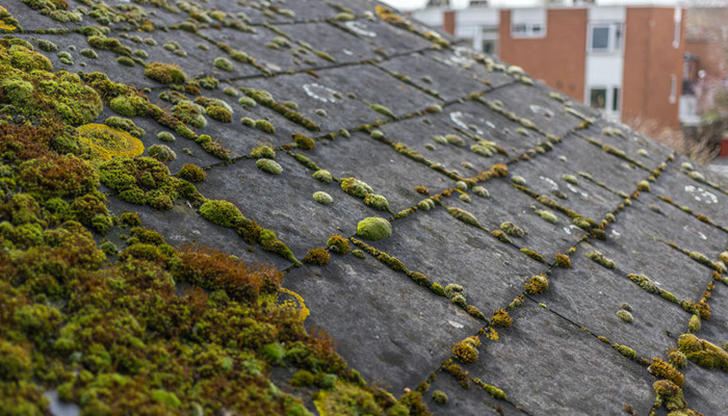
5. Moss, Algae, or Mold Growth
Green moss or dark streaks on shingles are common in damp or shaded areas. While they may seem like cosmetic problems, they can actually hold moisture against the roof surface.
Over time, moss can lift shingles and allow water to get underneath them. Regular cleaning and proper drainage can help prevent excessive growth and reduce long-term damage.

6. Light Visible in the Attic
The attic can reveal hidden roof problems that are not obvious from outside. During daylight hours, look for small beams of sunlight coming through the roof boards.
These tiny openings may allow rain, cold air, or pests to enter the house. Spotting light through the attic is often an early sign that the roof has small gaps or cracks.
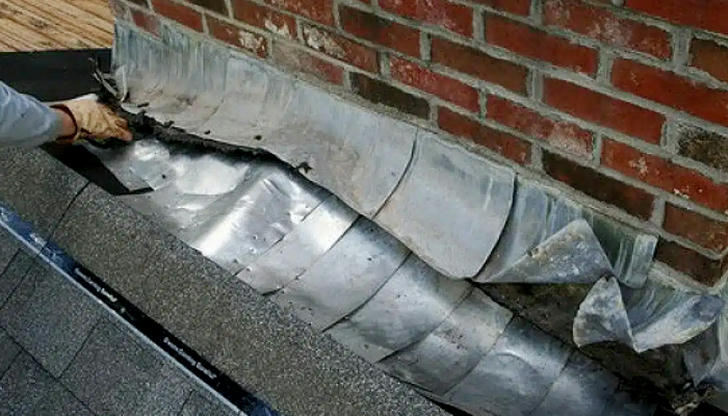
7. Damaged Flashing Around Roof Fixtures
Flashing is the thin metal material placed around chimneys, vents, and skylights. Its job is to seal the joints where water might enter.
When flashing becomes loose, cracked, or rusted, water can slip into those vulnerable areas. Because these spots experience frequent exposure to rain and temperature changes, flashing problems are a common source of roof leaks.

8. Higher Energy Bills
A roof problem can sometimes show up in an unexpected place---your energy bill. If warm or cool air escapes through roof gaps or poor insulation, your heating and cooling systems must work harder.
Over time, this can increase energy costs and make your home less comfortable. In some cases, improving roof insulation or repairing small openings can help restore efficiency.
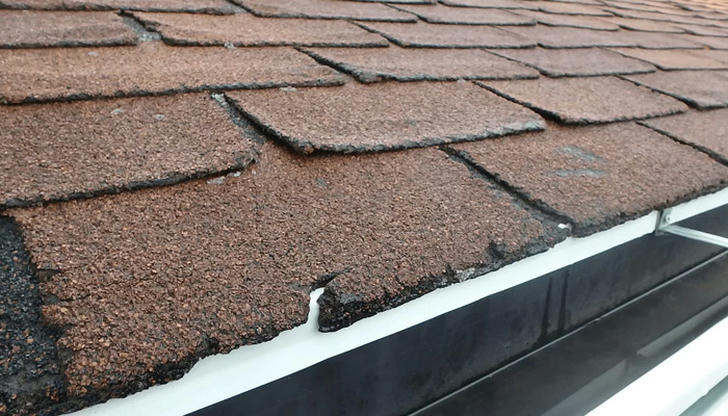
9. Aging Roof Materials
Most asphalt shingle roofs last about 20 to 30 years depending on climate and maintenance. As roofs age, small cracks, loose shingles, and minor leaks become more common.
If your roof is approaching the end of its expected lifespan, regular inspections become especially important. Catching problems early can extend the roof's life and delay a full replacement.
10. When to Call a Professional Roofer
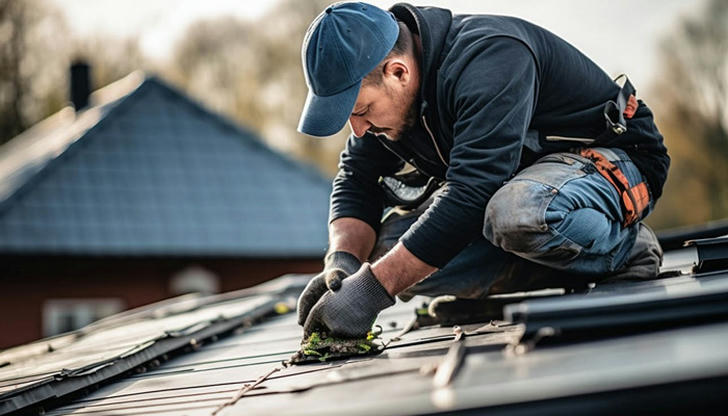
While homeowners can notice many warning signs themselves, some roof issues require professional inspection. If you see several of these symptoms---such as missing shingles, water stains, or sagging sections---it may be time to contact a roofer.
A professional can identify hidden damage and recommend the right repair before the problem becomes more serious. Acting early is usually far less expensive than dealing with major roof leaks later.
Final Thoughts
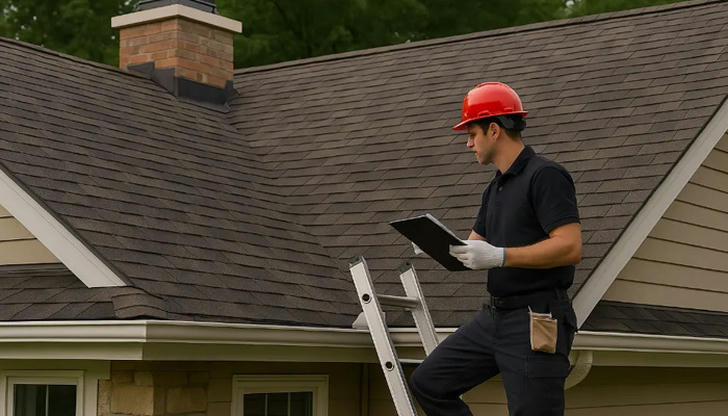
Roof damage rarely happens overnight. Most roofing problems develop gradually and provide several early warning signs along the way. By paying attention to changes such as damaged shingles, granules in gutters, attic light gaps, or interior water stains, homeowners can detect problems before they become serious.
Regular inspections, especially after storms or as the roof ages, can help protect your home and extend the lifespan of your roofing system. Catching these early signs of roof damage is one of the most effective ways to maintain the safety, comfort, and value of your home.