
Hidden Tips for Pest and Mold Prevention in Your Log Cabin
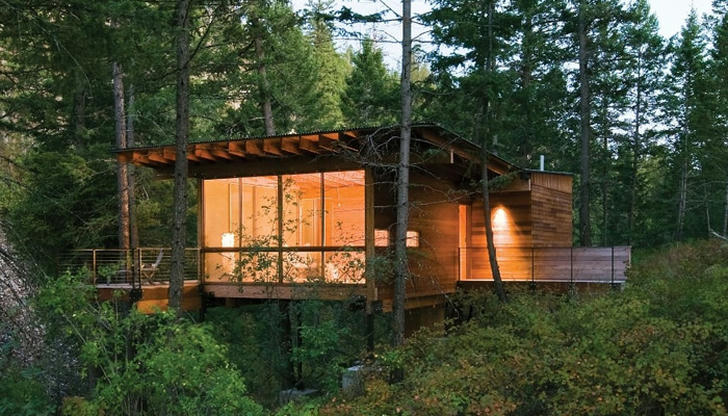
Building a log cabin is a dream for many outdoor enthusiasts. The cozy charm, natural wood aesthetics, and connection to nature make it irresistible. But while most guides focus on construction techniques or interior design, one often overlooked aspect is long-term maintenance against pests and mold. Ignoring these hidden threats can turn your dream cabin into a constant headache. Here's how to protect your log cabin and keep it safe, dry, and cozy for years to come.
1. Start with Smart Wood Selection

The first defense against pests and mold starts before the cabin is even built. Not all wood is created equal. Naturally resistant species like cedar, cypress, or redwood are less likely to attract termites or rot from moisture. Pressure-treated logs are also an option, but make sure the treatment is safe for indoor air quality if you plan to spend a lot of time inside. Choosing the right wood sets the foundation for decades of trouble-free living.
2. Maintain Proper Drainage
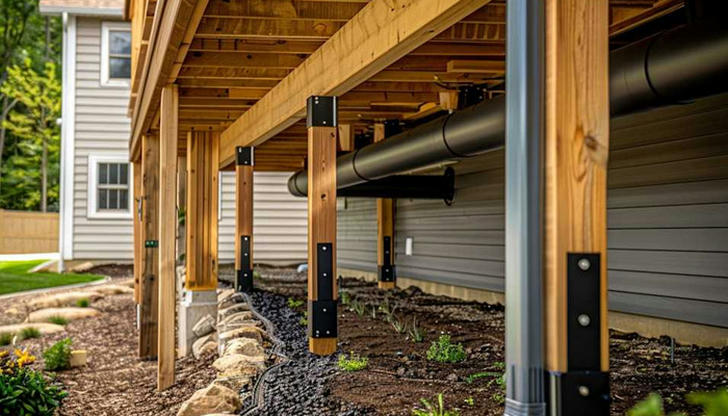
Water is the enemy of log cabins. Even the sturdiest wood can develop mold if water lingers near the foundation. Simple steps like grading the land to slope away from the cabin, installing gutters and downspouts, and keeping drainage channels clear can drastically reduce moisture problems. Hidden tip: don't just rely on visible rainwater paths---check for spots where water might pool after heavy rain, such as behind bushes or near decking.
3. Use Ventilation Strategically
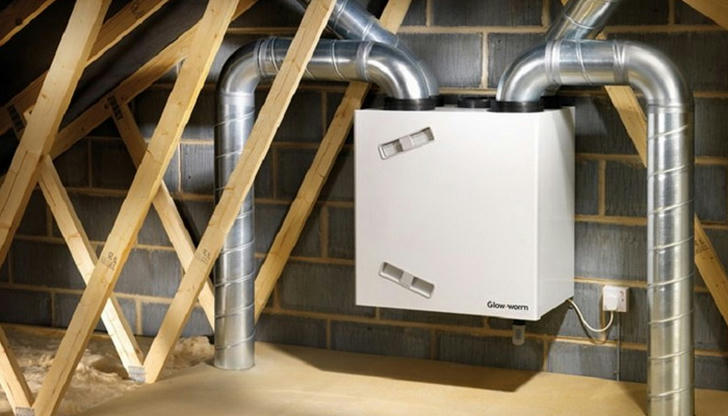
Many homeowners think ventilation is just about comfort, but it's actually critical for preventing mold and mildew inside your cabin. Ensure your cabin has adequate eaves ventilation, roof vents, and window airflow to allow logs to breathe. In humid climates, a small dehumidifier or heat-recovery ventilator can make a huge difference in keeping interior surfaces dry. Hidden tip: sometimes even a subtle gap at the bottom of exterior doors or a small vent behind furniture can prevent condensation buildup in corners.
4. Natural Pest Deterrents

Chemical treatments are not the only way to keep pests away. There are several natural strategies that work surprisingly well. For instance, diatomaceous earth sprinkled around the cabin foundation can deter crawling insects without harming pets. Planting herbs like mint, lavender, or basil near entrances can repel certain bugs. Hidden tip: cedar chips or cedar oil applied to interior logs can discourage insects while adding a pleasant scent.
5. Seal Smart, Not Excessively
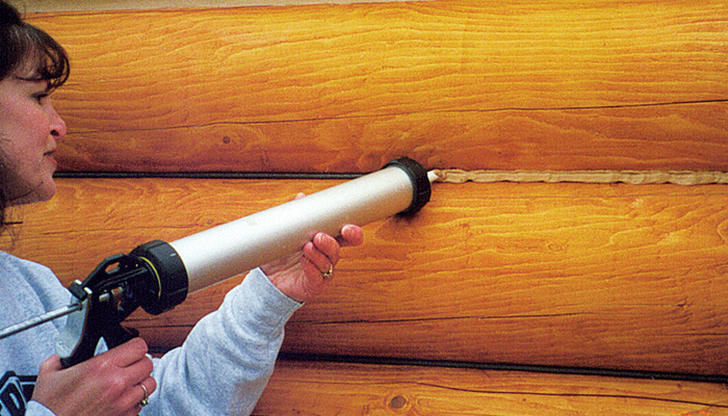
Many log cabin owners overdo sealants, thinking that a thick coating will stop all pests and water. While sealing is important, the wrong approach can trap moisture inside the logs, ironically promoting mold growth. Focus on properly sealing cracks and checking caulking annually, rather than slathering everything with layers of varnish. Hidden tip: use breathable sealants designed specifically for logs---they protect against rain but still allow internal moisture to escape.
6. Regular Inspections

Hidden threats are often silent. Termites, carpenter ants, and mold can develop behind walls or under decks without obvious signs. Schedule a routine inspection at least twice a year, ideally in spring and fall. Look for soft spots, discoloration, musty odors, or sawdust-like material near logs. Early detection makes the difference between a minor fix and a major repair. Hidden tip: even small leaks around plumbing or appliances can create mold hotspots---don't ignore minor drips.
7. Landscape with Prevention in Mind
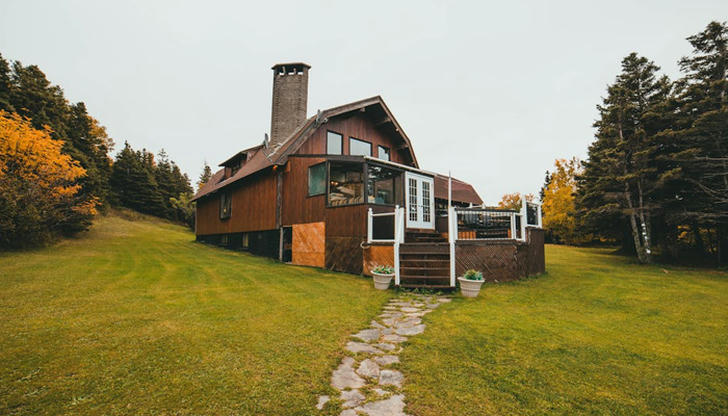
How you landscape around your cabin can influence pest and mold risks. Avoid piling firewood directly against the cabin, as it attracts termites. Keep shrubs and vegetation trimmed away from walls to promote airflow. Hidden tip: a narrow gravel or rock border around the cabin's perimeter acts as a natural barrier to moisture and crawling pests, reducing the chance of infestation.
8. Clever Interior Choices
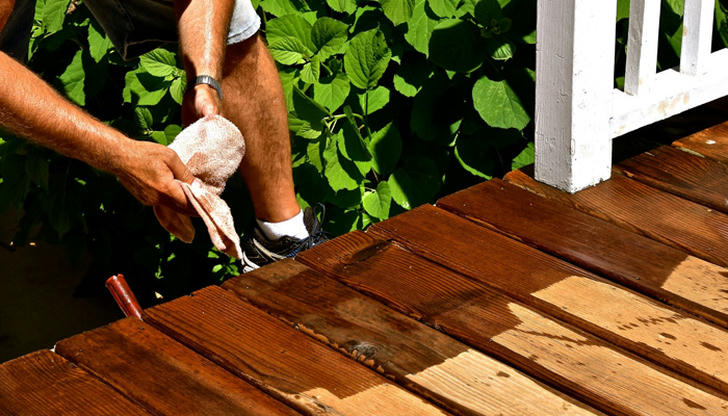
Pest and mold prevention doesn't stop outside. Inside the cabin, choose moisture-resistant furniture and fabrics in humid areas. Avoid placing rugs directly on damp floors or letting clothes pile in corners. Hidden tip: small habits like wiping down surfaces after cooking or showering and using vent fans can significantly reduce hidden mold growth.
9. Monitor Humidity Year-Round
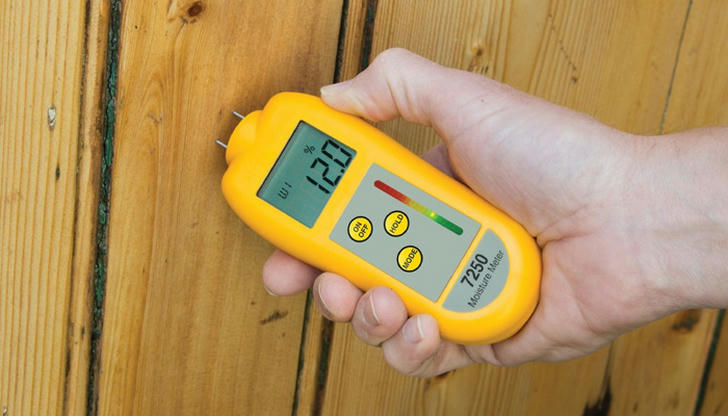
Even cabins in cold climates aren't immune to humidity problems. A small digital hygrometer helps you track indoor humidity levels. Aim to keep it between 30--50%. Hidden tip: during winter, occasional ventilation is still needed---don't completely seal the cabin, or condensation will form and create hidden mold.
10. Know When to Call Professionals
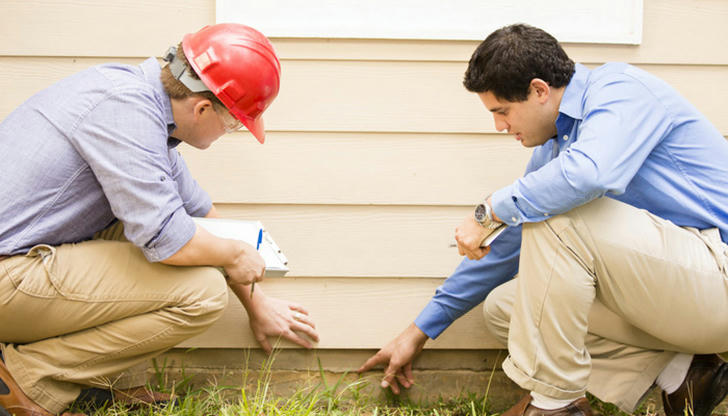
Some infestations and mold problems are beyond DIY solutions. If you notice significant termite activity, structural rot, or extensive mold, calling a licensed pest control or mold remediation expert can save money and stress in the long run. Hidden tip: preventative contracts with local experts can help you stay ahead of problems before they escalate.
Conclusion
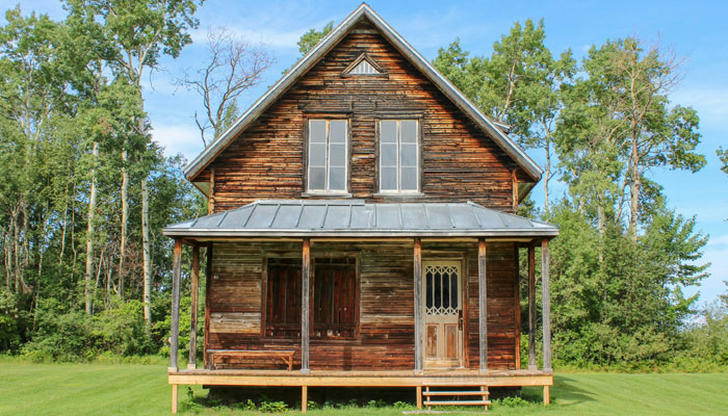
Protecting your log cabin from pests and mold is about smart planning, strategic maintenance, and small but consistent habits. By choosing the right wood, ensuring proper ventilation, using natural deterrents, and performing regular inspections, you can enjoy the warmth and beauty of your cabin for decades. Don't wait until damage is visible---start these hidden strategies today to preserve your dream retreat.