
Stop Wood Rot Early: A Care Guide for Log Homes and Wooden Houses
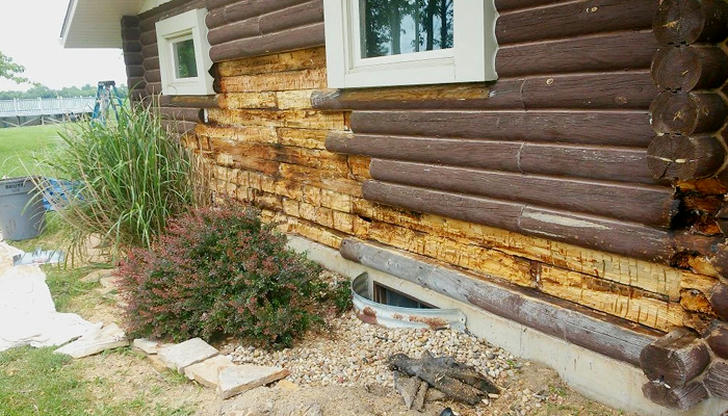
Wood rot is one of the most common long-term problems in log homes and wooden houses, but it is also one of the most preventable. The key is simple: keep water away, help wood dry quickly, and repair small weak spots before they become expensive damage. With regular maintenance, homeowners can protect the natural beauty, strength, and comfort of a wooden home for many years.
1. Move Water Away
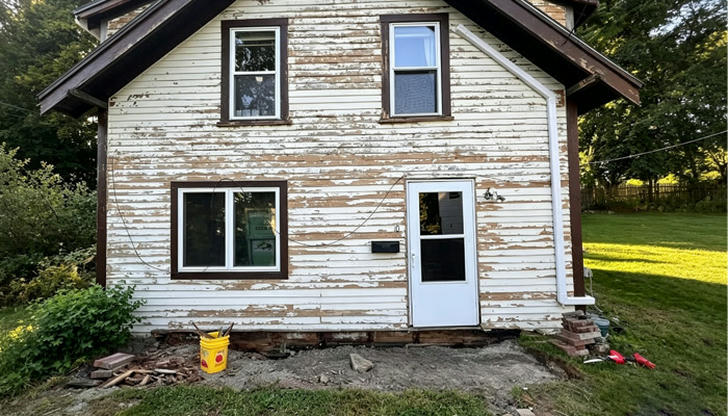
The first step in preventing wood rot is managing rainwater before it reaches the wood. Log homes and wooden houses are especially vulnerable when water repeatedly collects near the foundation, lower walls, decks, or porch areas. Even strong exterior wood can begin to break down if it stays damp for long periods.
Check the ground around the home and make sure it slopes away from the foundation. If soil, mulch, or landscaping directs water toward the house, rain can pool near the lower logs or siding. This creates a perfect environment for rot. Downspouts should also carry water several feet away from the home instead of emptying near the wall.
Avoid piling mulch, leaves, or soil against wooden surfaces. These materials hold moisture and can keep the wood damp after rain. A clean, dry space around the base of the house makes a big difference in long-term wood protection.
2. Keep Gutters Clear
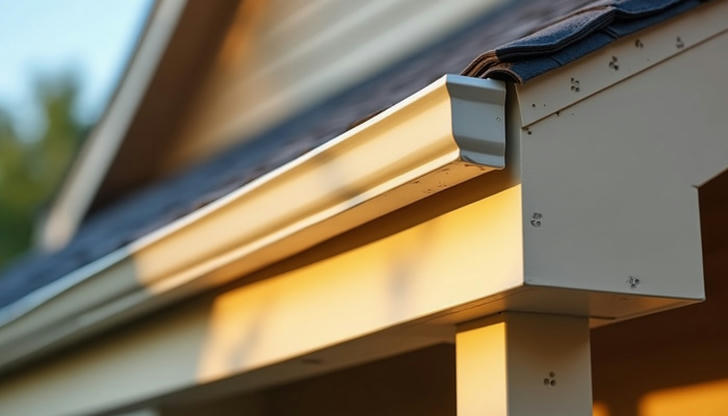
Gutters may not seem like part of wood maintenance, but they play a major role in protecting log homes and wooden houses. When gutters are clogged with leaves, pine needles, or roof debris, rainwater can overflow and run down exterior walls. Over time, this repeated moisture can stain the wood, damage the finish, and increase the risk of rot.
Homeowners should clean gutters regularly, especially after fall leaf drop or heavy storms. Look for sagging sections, loose fasteners, leaks, or areas where water spills over the edge. If water marks appear on log walls below the roofline, the gutter system may not be working properly.
Also check that downspouts are connected securely and pointing away from the house. A well-maintained gutter system helps keep water off the walls and away from the foundation, which is one of the most practical ways to prevent wood rot.
3. Check the Roofline
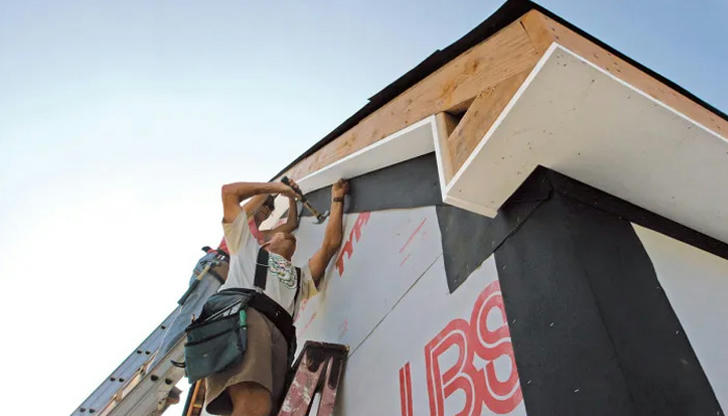
A strong roof protects more than the interior of the home. It also shields exterior wood from unnecessary rain exposure. Damaged shingles, loose flashing, blocked valleys, or worn roof edges can allow water to drip or run onto wooden walls.
Inspect the roof at least once a year and after major storms. Pay attention to roof valleys, chimneys, skylights, and areas where different surfaces meet. These spots are common places for leaks to begin. If water is escaping from the roofline and landing on log walls, porch posts, or siding, repairs should not be delayed.
Wide roof overhangs are especially helpful for wooden houses because they reduce the amount of rain that hits the walls directly. If your home already has good overhangs, keep them in good condition. If not, be extra careful about inspecting exposed walls and lower wood sections.
4. Refresh Stain and Sealant
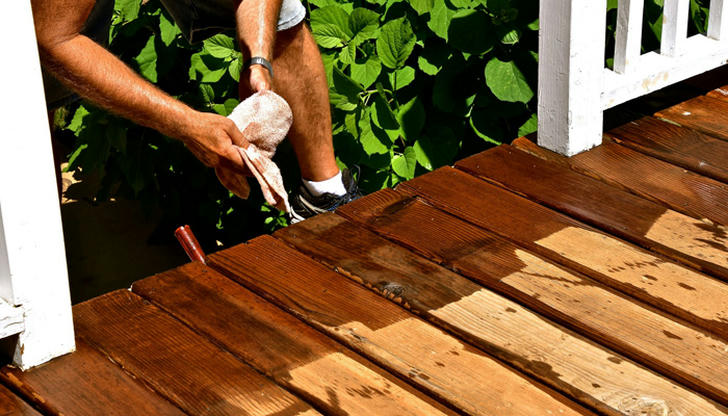
Exterior stain and sealant act like a protective coat for wooden homes. They help reduce water absorption while still allowing the wood to breathe when the right products are used. When this protective finish wears down, wood becomes more exposed to rain, sun, insects, and temperature changes.
Walk around the house once or twice a year and look closely at the finish. Signs of trouble include fading, peeling, cracking, gray patches, or areas where water no longer beads on the surface. If rainwater soaks into the wood instead of sitting on top, the finish may need attention.
Re-staining does not need to wait until the house looks badly worn. In fact, it is better to refresh the finish before the wood becomes dry, exposed, or unevenly protected. Use products made for log homes or exterior wood surfaces, and follow the manufacturer's instructions carefully.
5. Seal Gaps Early
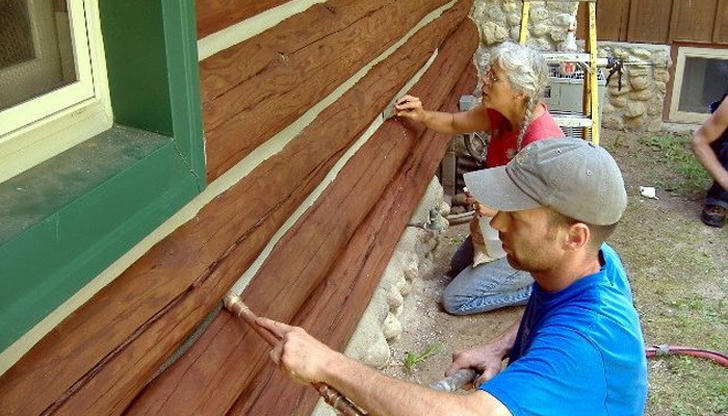
Log homes often have chinking or caulking between logs, around windows, near doors, and at corners. These materials help seal gaps and keep out water, air, and insects. When they crack, pull away, or go missing, moisture can enter places that are difficult to see.
Inspect these areas closely during routine maintenance. Look for separation between logs, small openings around window frames, or gaps where different materials meet. Even narrow gaps can collect moisture if they face heavy rain or shade.
Fixing small cracks early is much easier than repairing hidden rot later. If the damage is minor, the area may only need cleaning and resealing. If gaps are wide, deep, or connected to soft wood, it may be safer to contact a log home repair specialist.
6. Let Walls Breathe
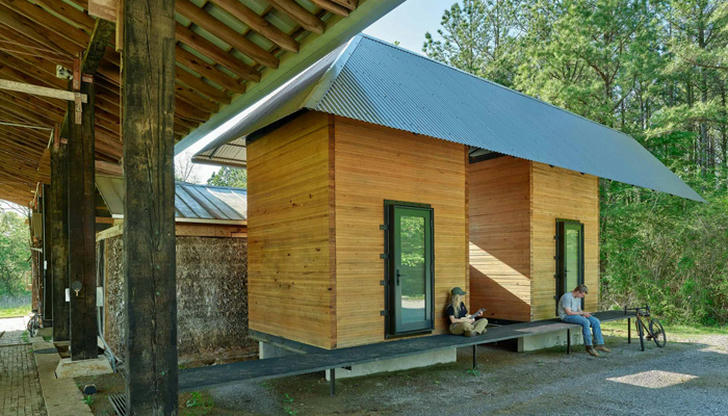
Wood dries faster when air can move freely around it. Poor airflow allows damp areas to stay wet longer, especially on shaded sides of the house. Bushes, vines, stacked firewood, outdoor furniture, and storage items can all trap moisture against wooden walls.
Keep plants trimmed back from the house. A little space between landscaping and the wall helps sunlight and air reach the wood after rain. Avoid letting vines climb directly on log walls or wooden siding, because they can hold moisture and hide early warning signs.
Firewood should also be stored away from the home, not stacked against the exterior. While it may look convenient near a porch or wall, it can trap moisture and attract insects. Good airflow is a simple but powerful part of wood rot prevention.