
The Ultimate Log Cabin Maintenance Guide for Every Season
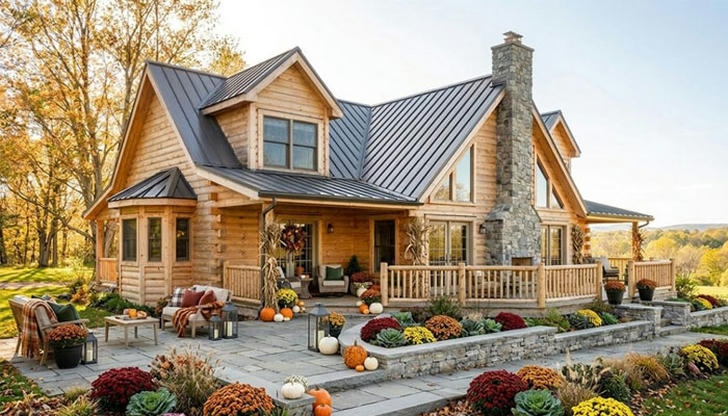
A log cabin offers warmth, character, and a connection to nature, but keeping it in good condition takes regular care. Unlike conventional homes, log cabins have exposed wooden surfaces that respond to moisture, sunlight, and changing temperatures. Without proper maintenance, small problems can develop into expensive repairs. This seasonal log cabin maintenance checklist covers practical steps to protect the wood, prevent damage, and keep the property comfortable throughout the year.
2. Spring: Inspect and Clean
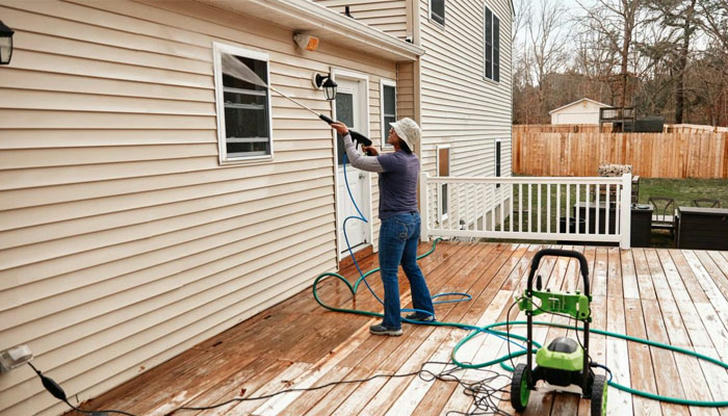
Spring is the perfect time to assess what winter left behind. Begin by walking around the cabin and examining the exterior logs for discoloration, unusual softness, deep cracks, or peeling finishes. Pay special attention to lower walls, corners, and areas where melting snow may have collected.
Next, clean the exterior using a soft brush and a cleaning product approved for log homes. Removing dirt, pollen, and mildew helps reveal hidden damage while keeping the wood looking fresh. Avoid aggressive pressure washing, which can damage wood fibers or force water into joints.
Inspect roof shingles, gutters, and downspouts for damage or blockages. Water should flow away from the foundation rather than collecting near wooden walls.
Finally, examine chinking and caulking between logs. Damaged seals should be repaired with compatible products before seasonal rainfall creates moisture problems.
3. Summer: Protect the Wood
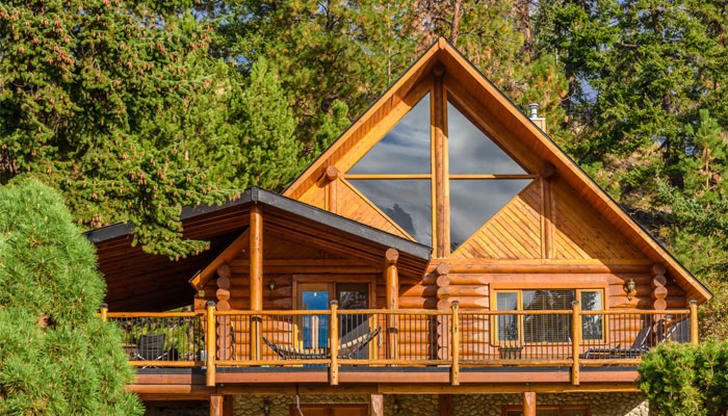
Summer brings longer days and strong sunlight, making wood protection especially important. Ultraviolet exposure can gradually weaken exterior finishes, leaving logs more vulnerable to moisture and weathering.
Start by inspecting the cabin's stain or protective coating. Faded patches, uneven color, and areas that no longer repel water may indicate that maintenance is needed. Depending on the coating's condition, homeowners might only need localized touch-ups rather than a complete restoring project.
Summer is also a good time to check for wood-damaging insects. Look for small holes, sawdust-like material, or unusual insect activity around exposed beams and wooden siding. Suspected infestations should be evaluated before substantial damage develops.
Don't overlook decks, porches, and stairs. Check boards, railings, and fasteners for deterioration or looseness.
Proper log cabin staining, timely repairs, and routine inspections help preserve exterior wood and reduce the likelihood of costly restoration work.
4. Fall: Prepare for Cold Weather
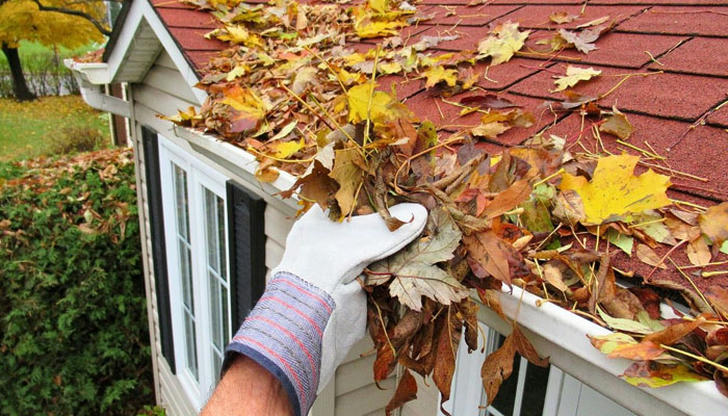
Autumn maintenance focuses on keeping moisture out and warmth inside. As leaves begin to fall, clear gutters and downspouts to prevent rainwater from overflowing onto exterior walls or pooling near the foundation.
Inspect roof areas for damaged shingles, loose flashing, or other visible concerns. Addressing these problems before freezing temperatures arrive can help prevent leaks during winter storms.
Check doors and windows for drafts. Worn weatherstripping and damaged caulking can allow cold air to enter, increasing heating demand. Pay attention to gaps around log joints, especially where seasonal movement has affected older sealants.
Heating equipment also deserves attention. Schedule routine HVAC maintenance, replace filters when necessary, and arrange chimney inspections before regularly using a fireplace or wood stove.
Preparing the cabin in fall supports energy efficiency and makes the home more comfortable when outdoor temperatures drop.
5. Winter: Prevent Weather Damage
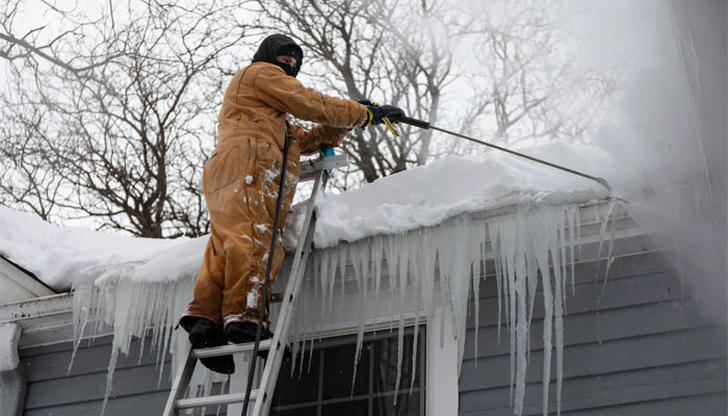
Winter creates a different set of maintenance challenges, particularly in regions with heavy snowfall and freezing temperatures.
Monitor the roof for unusual snow accumulation and signs of ice dams. Ice dams can interfere with drainage and allow water to enter vulnerable roof areas. Avoid climbing onto icy roofs; significant buildup or suspected damage should be handled by qualified professionals.
Frozen plumbing is another concern. Insulate exposed pipes in unheated spaces and maintain adequate indoor temperatures during cold weather. If the cabin will remain unoccupied, consider appropriate winterization measures for its plumbing system.
Inside, watch for excessive condensation around windows and cold surfaces. Persistent moisture may contribute to mold growth or damage nearby wood.
Check accessible areas around exterior walls for water intrusion after storms. Even during winter, occasional inspections can reveal problems early enough to prevent more extensive log cabin repairs.
6. Essential Tools and Maintenance Costs
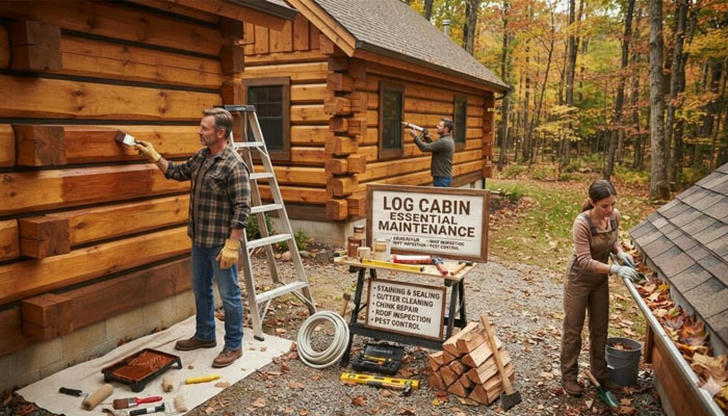
A basic maintenance kit can make routine cabin care easier. Useful supplies include soft cleaning brushes, wood-safe cleaners, a flashlight, protective gloves, and a moisture meter for investigating suspicious damp areas.
Homeowners may also need compatible caulking, chinking repair materials, and exterior wood finishes. Always choose products suitable for log construction and follow the manufacturer's application instructions.
Log cabin maintenance costs vary depending on building size, climate, accessibility, and the condition of existing materials. Simple cleaning and inspections are generally more affordable than large-scale staining, structural repairs, or roof replacement.
Many routine tasks are suitable for DIY maintenance. However, extensive wood rot, persistent leaks, significant insect damage, and elevated roofing work often require professional assistance.
Setting aside a yearly maintenance budget can help homeowners manage expenses without delaying necessary repairs.
7. Keep Your Cabin Protected Year-Round
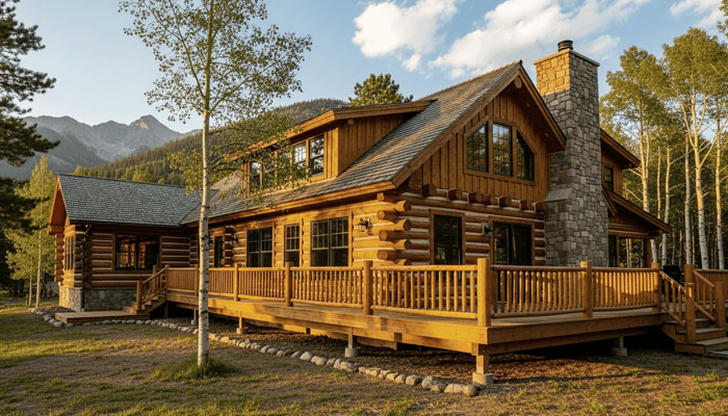
Caring for a log cabin is easier when maintenance becomes a seasonal habit rather than an occasional emergency. Spring inspections, summer wood protection, fall preparation, and winter monitoring each play an important role in preserving the property.
Small repairs completed promptly can prevent larger problems and unnecessary expenses. Keep a record of inspections, cleaning, and completed work to make future maintenance easier.
Start with a simple walk around the cabin this season. A few careful observations today could help protect your log home for many years to come.