
8 Smart Ways to Cut Cabin Energy Costs Without Sacrificing Comfort
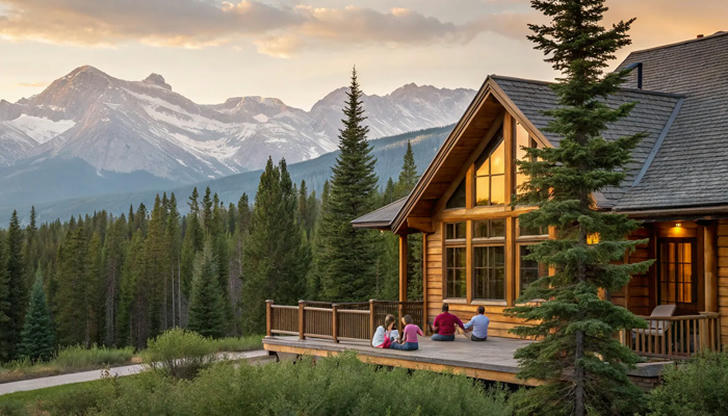
Living in a cabin offers peace, privacy, and a closer connection to nature, but it also brings a unique challenge: energy use can become inefficient very quickly. Whether you are off-grid or simply trying to lower utility costs, small changes in how you heat, light, and manage your space can make a major difference without reducing comfort.
1. Seal Heat Before You Lose It
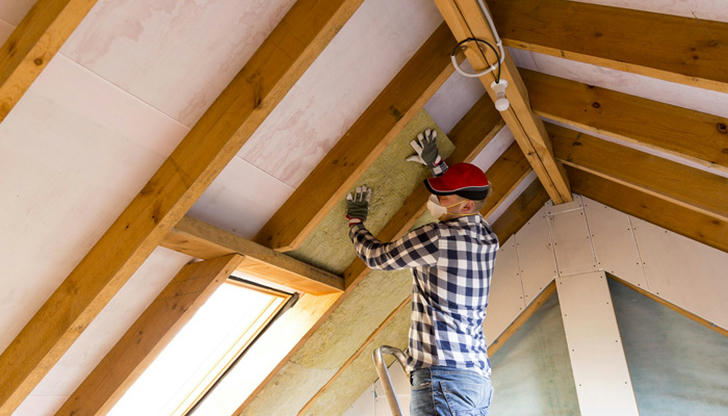
One of the biggest reasons cabins waste energy is heat escaping through tiny gaps. Even a well-built cabin can lose warmth through window edges, door frames, roof joints, and floor seams. Instead of immediately upgrading heating systems, it makes more sense to trap the heat you already have. Weather stripping around doors and windows, foam sealant for small cracks, and thick thermal curtains at night can dramatically reduce heat loss. Even something as simple as a rolled towel at the base of a door helps keep cold air out. Once the cabin holds heat properly, every other energy-saving effort becomes more effective.
2. Heat Only What You Actually Use

Many cabins waste energy by heating the entire space evenly, even when only one or two rooms are occupied. A more efficient approach is zone heating, where you focus warmth only where you spend time. A wood stove can serve as the main heat source, while small electric heaters can supplement specific rooms when needed. Keeping unused rooms closed helps retain warmth in active areas. Instead of constantly adjusting thermostats, layering clothing or using blankets can reduce the need to increase temperature at all. Over time, this habit alone can significantly lower energy consumption.
3. Make Lighting Work for You, Not Against You
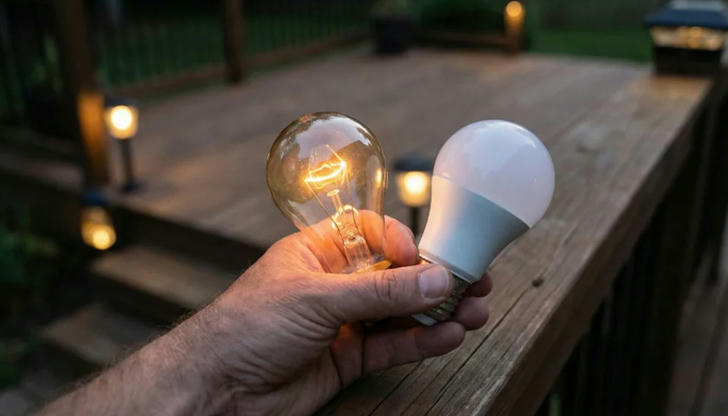
Lighting may seem minor, but in cabins with limited power systems, it adds up quickly. Switching to LED bulbs is one of the simplest upgrades because they use far less energy and last much longer. However, behavior matters just as much as technology. Opening curtains during daylight reduces the need for artificial lighting, and using motion sensors in hallways or outdoor areas prevents lights from staying on unnecessarily. The key idea is simple: don't light the entire space---only light what you are using at that moment.
4. Choose Appliances That Don't Drain Power
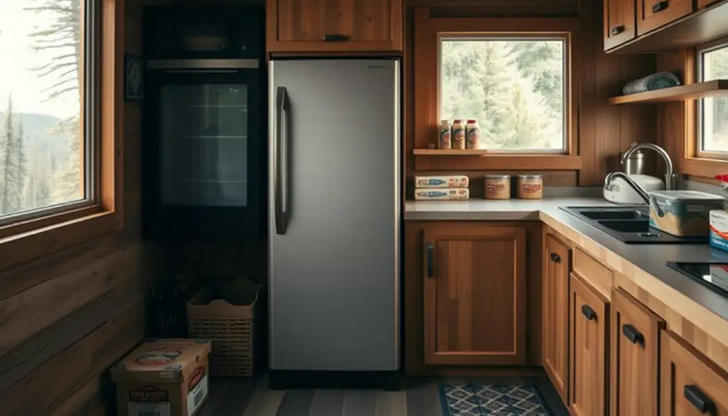
Cabin living often means working with compact appliances, which makes efficiency even more important. A small, energy-rated refrigerator can save far more power than a standard unit. Gas stoves may also be more efficient than electric ones in off-grid setups. Many modern appliances consume energy even in standby mode, so unplugging devices when not in use can prevent silent energy loss. In cabins, every watt matters, so choosing simple, efficient appliances pays off long-term.
5. Reduce Hot Water Waste Intelligently
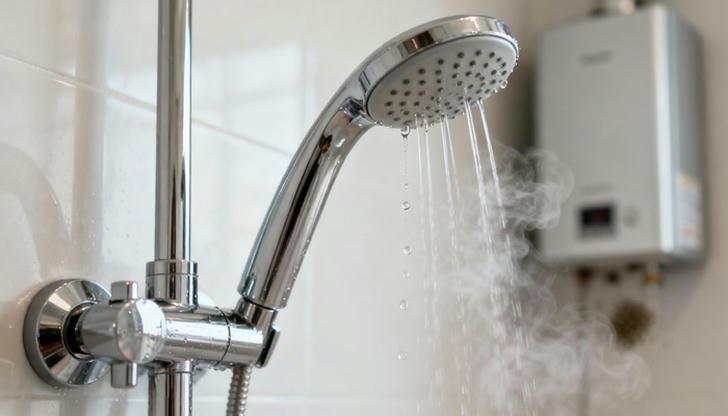
Hot water systems are often overlooked but can consume a surprising amount of energy. Using low-flow showerheads reduces water usage without affecting comfort. Heating water only when needed, rather than keeping a tank constantly hot, also reduces unnecessary energy use. Insulating water pipes is another small but powerful improvement, especially in colder climates where heat loss happens quickly. Even shortening shower time slightly can lead to noticeable savings over weeks and months.
6. Use Natural Energy Whenever Possible
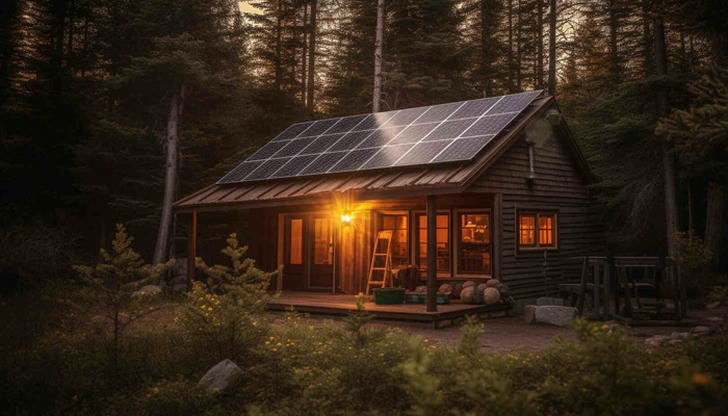
Cabins are perfectly positioned to take advantage of natural energy sources. Solar panels can support basic electricity needs, while solar-powered lights reduce reliance on the main system. During the day, passive solar heating---letting sunlight naturally warm interior spaces through windows---can reduce the need for artificial heating. On mild days, opening windows for airflow can replace fans or cooling systems entirely. The more you rely on natural conditions, the less you depend on stored or generated energy.
7. Build Daily Habits That Eliminate Waste
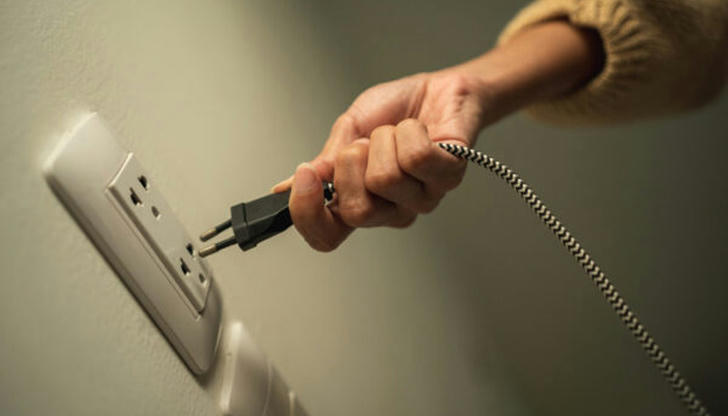
Long-term energy savings often come from small daily behaviors rather than big upgrades. Turning off lights immediately when leaving a room, unplugging chargers, and avoiding standby mode on electronics all contribute to lower consumption. Cooking efficiently---such as preparing multiple meals at once---reduces repeated energy use. Even something as simple as not opening the refrigerator repeatedly helps maintain internal temperature and reduce power draw. These habits require no investment but consistently reduce waste.
8. Adjust Energy Use With the Seasons
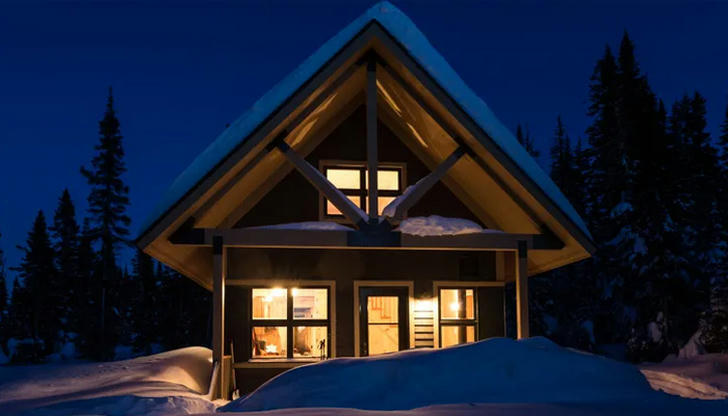
Energy needs in a cabin change dramatically throughout the year. In winter, the focus should be on retaining heat through insulation and reducing air leaks. In summer, shading windows and maximizing airflow can keep interiors cool without mechanical systems. Spring and fall are transitional periods where natural temperatures can often replace heating or cooling entirely. Adapting your habits to the season prevents overuse of energy systems when they are not necessary.
Conclusion
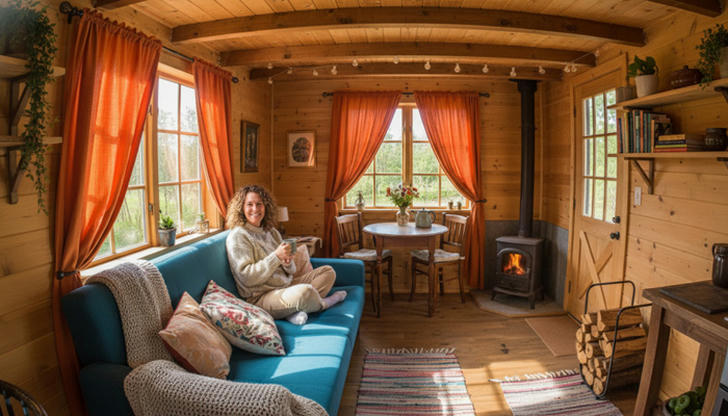
Reducing energy use in a cabin is not about making life less comfortable---it is about using resources more intelligently. When insulation is strong, heating is controlled, appliances are efficient, and daily habits are intentional, energy waste drops significantly without sacrificing quality of life. The most effective strategy is to start small, improve one area at a time, and build better habits gradually. Over time, these adjustments create a cabin that is not only more efficient but also more comfortable and sustainable to live in year-round.