
Living in a Log Cabin Is Loud-Here's How People Really Deal With It
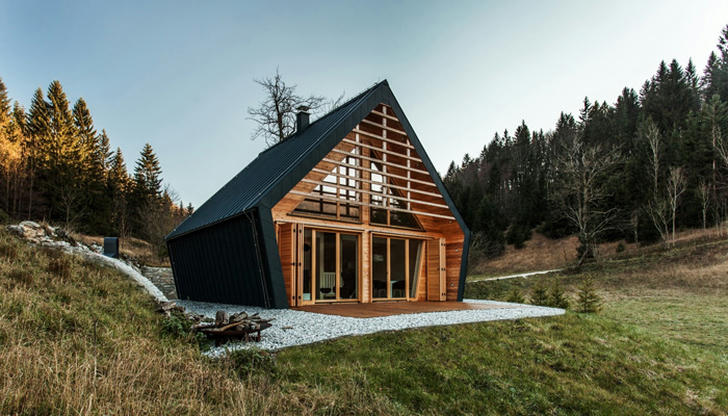
If you've ever spent a full night in a log cabin, you already know the truth no glossy brochure mentions: cabins are loud. Not "busy city street" loud---but alive loud. Wood pops. Wind whistles. Rain drums. Something outside scratches, scurries, or hoots at 2:47 a.m.
For first-time cabin dwellers, this can be unsettling. For long-term residents, it's just part of the deal---but that doesn't mean you have to suffer through sleepless nights or constant background noise. Real cabin people don't magically "get used to it." They adapt. Quietly. Practically. Over time.
Here's how they really deal with the noise.
Why Log Cabins Are Naturally Noisy
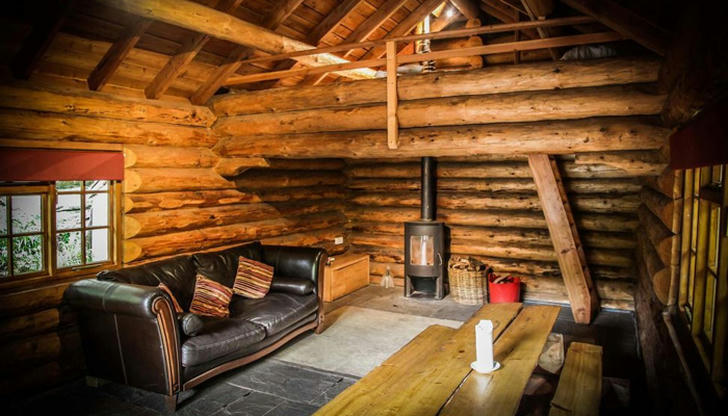
A log cabin is not a sealed box like a modern suburban home. It's a structure designed to breathe, move, and react to its environment.
- Wood expands and contracts with temperature changes, especially overnight. Those sharp cracks and deep groans aren't signs of failure---they're physics.
- Wind finds every gap, especially around eaves, corners, and older chinking.
- Rain and snow hit harder, particularly on metal roofs, which many cabins use.
- Wildlife is closer than you think---and much louder at night.
Understanding this helps reduce anxiety. Most cabin noise is normal. The trick is knowing which sounds to accept---and which ones to manage.
The Night Sounds That Bother People Most

Ask long-term cabin residents what actually keeps them up, and you'll hear the same list again and again:
- Logs cracking loudly just as you're drifting off
- Wind "howling" through certain corners of the house
- Rain hammering the roof during storms
- Mice, squirrels, or raccoons moving in the walls
- Owls, coyotes, or deer making unfamiliar nighttime noises
None of these are rare. What matters is how you respond.
Step One: Decide What You'll Live With
This part surprises newcomers. Experienced cabin owners don't try to eliminate all noise. They choose which sounds stay.
Most people eventually accept:
- Gentle wood popping
- Distant animal calls
- Soft wind noise
Trying to silence everything leads to frustration---and expensive overbuilding that can actually harm ventilation and moisture control. The goal is balance, not silence.
Strategic Sound Dampening (Without Ruining the Cabin Feel)
People imagine soundproofing means drywall and foam panels. Cabin dwellers know better.
Rugs and soft furnishings do real work.
Thick area rugs, fabric couches, heavy curtains, and even wall tapestries absorb echo and vibration without killing the rustic vibe.
Bookcases double as sound buffers.
Placed against exterior walls, they reduce wind noise while adding storage and warmth.
Bedrooms matter most.
Many experienced cabin owners place bedrooms toward the interior or on the leeward side of the house. You can't fix a bad location later---but you can plan smarter next time.
Managing Roof and Rain Noise
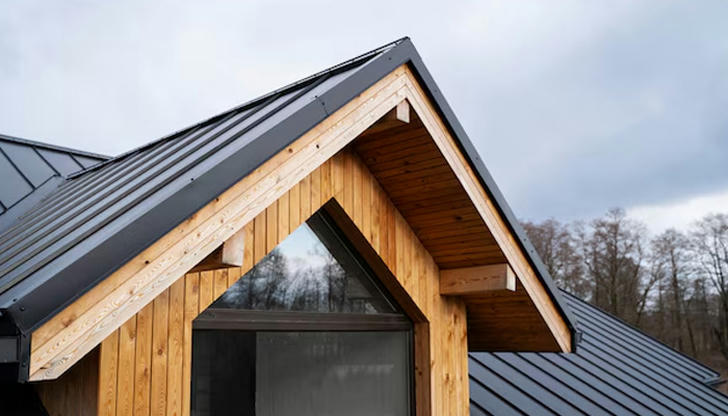
Metal roofs are efficient, durable---and loud.
What helps:
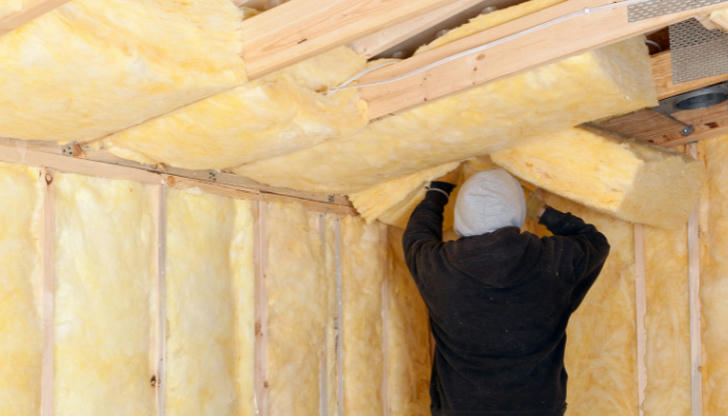
- Insulation under the roof deck, not just in walls
- Wood ceilings instead of exposed metal indoors
- Rain chains or gutters to control water flow noise
Most people don't eliminate rain noise entirely. They soften it enough that it becomes background rhythm instead of disruption.
Wildlife Noise: Know the Difference Between "Normal" and "Problem"
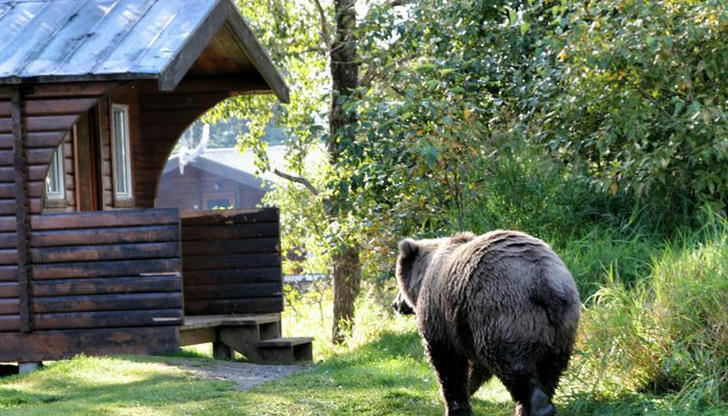
Scratching, thumping, and skittering sounds freak people out---but not all wildlife noise means infestation.
Normal:
- Seasonal mice sounds in fall
- Squirrels running on the roof
- Birds nesting briefly in spring
Not normal:
- Constant movement inside walls
- Chewing sounds
- Repeated nighttime activity in one spot
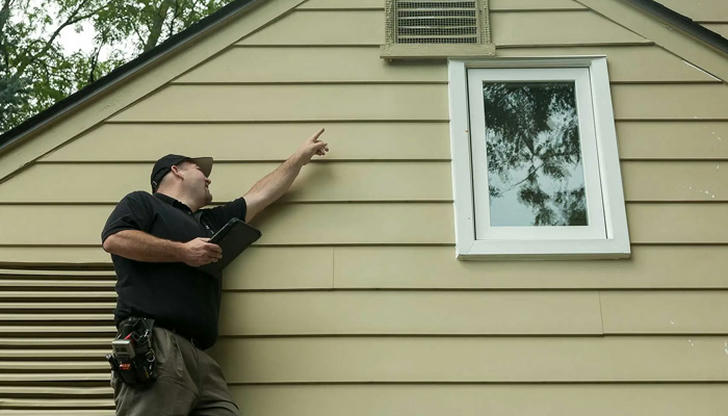
Experienced cabin dwellers seal entry points early, not after the problem escalates. Steel mesh, proper vent covers, and regular perimeter checks matter more than traps.
The Bedroom Survival Toolkit

People who sleep well in cabins usually do at least one of these:
- White noise machines (fans work too)
- Low-volume ambient sound like rain or wind recordings
- Heavy bedding that dampens vibration perception
- Consistent sleep routines---going to bed earlier helps
Counterintuitive truth: total silence makes cabin noise worse. A steady sound masks the sharp, unpredictable ones.
When Noise Is a Warning Sign
Not all cabin sounds should be ignored.
Pay attention if you hear:
- New creaking combined with visible settling
- Persistent dripping sounds
- Sudden changes in wind noise patterns
- Loud cracking during warm, stable weather
Long-time cabin owners learn the "language" of their house. New sounds deserve investigation---not panic, but curiosity.
The Mental Shift That Changes Everything

Here's what people don't say out loud: cabin noise becomes less stressful when you stop fighting it.
Cabin living isn't about recreating suburban quiet in the woods. It's about coexisting with an environment that moves, breathes, and speaks. Once you stop interpreting every sound as a threat, your body relaxes---and sleep comes easier.
Many long-term residents eventually find city silence uncomfortable. It feels dead. Unnatural.
Final Thought: Quiet Isn't the Goal---Comfort Is

If you want perfect quiet, a log cabin may never be ideal. But if you want comfort, rhythm, and a home that feels alive, learning to manage---not erase---the noise is part of the lifestyle.
The people who thrive in cabins aren't the ones with the thickest walls. They're the ones who understand which sounds matter, which don't, and how to live well in between.
And once you do?
Those night noises stop being interruptions---and start feeling like company.