
9 Log Cabin Design Choices That Look Great---Until You Live With Them
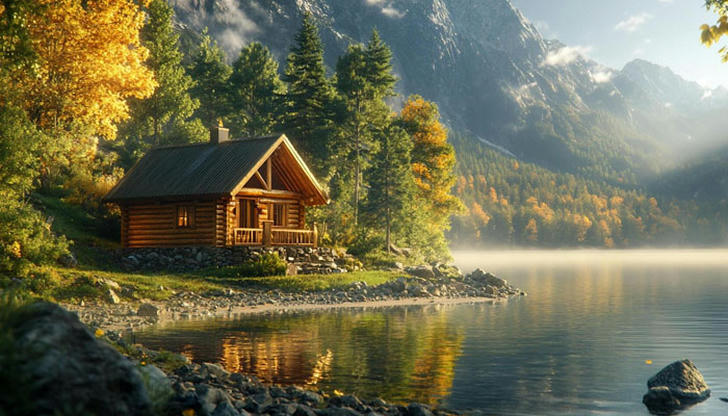
A log cabin often represents peace, simplicity, and a slower pace of life. Whether it's tucked away in the mountains or sitting beside a quiet lake, it's easy to imagine cozy evenings by the fireplace and weekends surrounded by nature. But after the excitement of building or buying a cabin wears off, many owners discover that some design choices aren't as practical as they first seemed.
The features that look stunning in photos don't always make everyday living easier. Some increase energy bills, others require more maintenance than expected, and a few simply become inconvenient over time. If you're planning a new log cabin or updating an existing one, learning from the experiences of other homeowners can help you avoid expensive mistakes.
1. Oversized Great Rooms
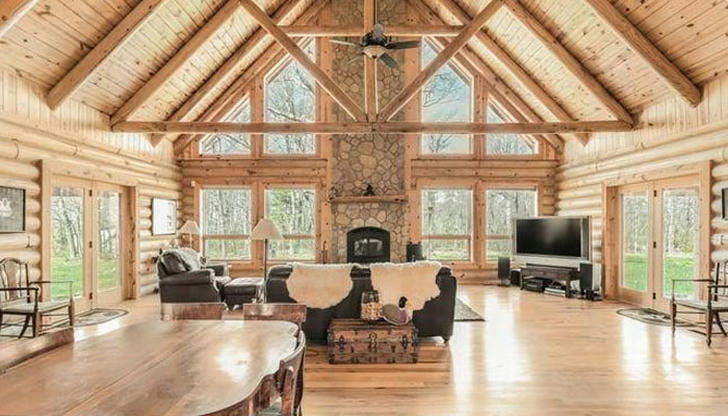
A large open living room with a soaring ceiling is one of the most recognizable log cabin features. It creates an impressive first impression and makes the home feel spacious.
However, many owners later realize that all of that extra space comes with a price. Heating a room with a vaulted ceiling requires much more energy because warm air naturally rises. During summer, cooling the same space can also become expensive. High ceilings make changing light bulbs, cleaning ceiling fans, or repainting much more difficult.
Instead of choosing the biggest possible room, think about how your family will actually use the space. A slightly smaller great room often feels just as inviting while being far less expensive to maintain.
2. Too Many Floor-to-Ceiling Windows
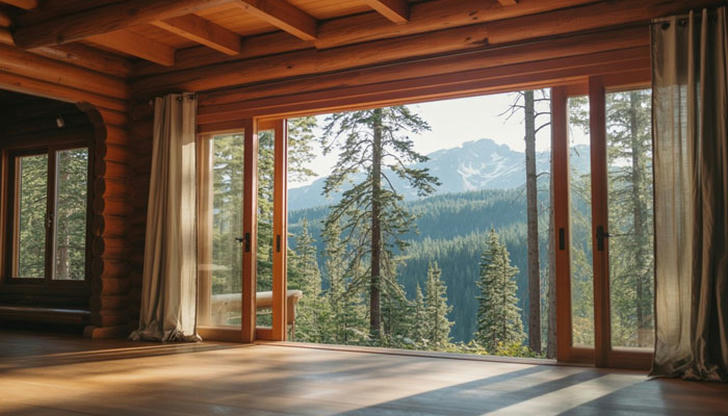
Large windows are one of the biggest selling points of a log cabin. They frame beautiful forest views and fill the home with natural light.
The downside is that glass doesn't insulate as well as a solid wall. In winter, heat escapes more easily, while in summer, direct sunlight can quickly overheat the room. Furniture, hardwood floors, and rugs may also fade after years of UV exposure.
Many experienced cabin owners recommend placing large picture windows where the views matter most and using smaller, energy-efficient windows in other areas. This approach preserves the scenery without sacrificing comfort.
3. Loft Bedrooms That Aren't Practical
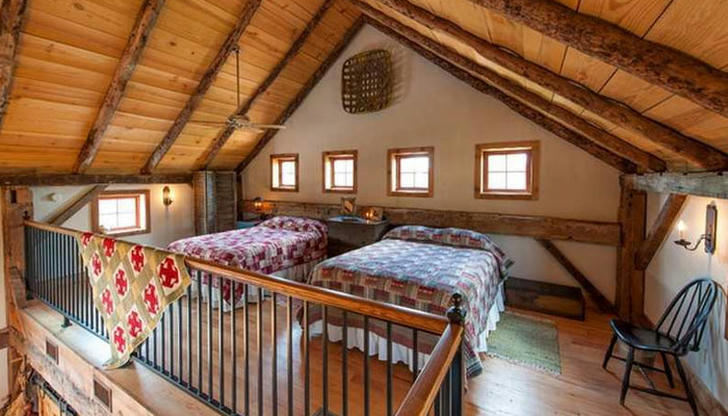
A loft bedroom adds rustic charm and makes a cabin feel like a classic mountain retreat. It also saves floor space in smaller homes.
Unfortunately, lofts aren't ideal for everyone. Heat rises, making upper sleeping areas noticeably warmer during summer. Privacy can be limited, especially when guests are staying overnight. Steep staircases may also become difficult for children, older adults, or anyone with mobility concerns.
Many owners say they would reserve a loft for occasional guests or a reading space while keeping the primary bedroom on the main floor.
4. Wood on Every Surface
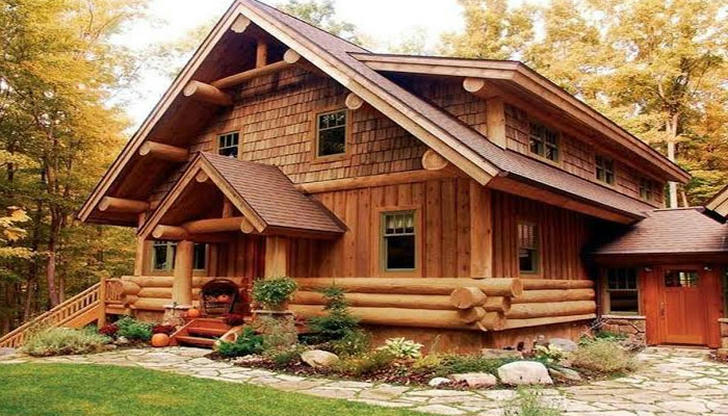
One of the biggest mistakes isn't using wood---it's using too much of it.
When the walls, ceiling, floors, cabinets, and furniture are all similar shades of wood, rooms can begin to feel darker and smaller than expected. Decorating also becomes more challenging because everything blends together.
Many newer cabin designs combine exposed logs with painted walls, stone fireplaces, black metal accents, or lighter-colored ceilings. This creates contrast while still preserving the warm character that makes log cabins unique.
5. Kitchens That Look Nice but Feel Too Small
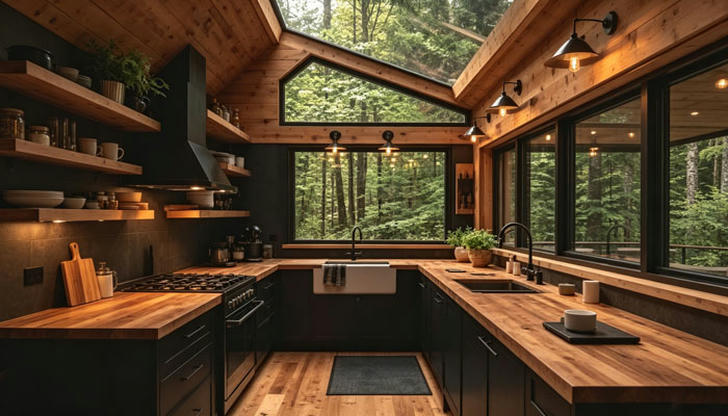
Some people assume they'll spend most of their time outdoors, so they design a compact kitchen to save money.
After moving in, reality often proves different. Holidays, family gatherings, and rainy weekends usually revolve around the kitchen. Limited counter space, small pantries, and tight work areas can quickly become frustrating.
A slightly larger kitchen with generous storage, wide countertops, and room for multiple people to cook together often becomes one of the most appreciated upgrades in the entire cabin.
6. Wraparound Porches That Demand Constant Maintenance
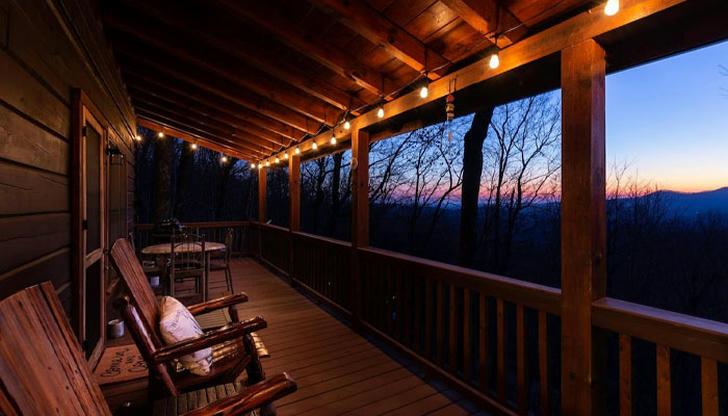
A wraparound porch is almost iconic in log cabin design. It's perfect for relaxing with a cup of coffee or enjoying peaceful evenings outside.
What many first-time owners don't expect is the amount of maintenance involved. Wooden decking needs regular sealing or staining, leaves collect in hard-to-reach corners, snow requires frequent clearing, and railings should be inspected for weather damage.
Rather than surrounding the entire cabin with a porch, consider building covered outdoor spaces where you'll actually spend most of your time. You'll still enjoy the outdoor lifestyle while reducing long-term maintenance.
7. Forgetting to Include a Mudroom
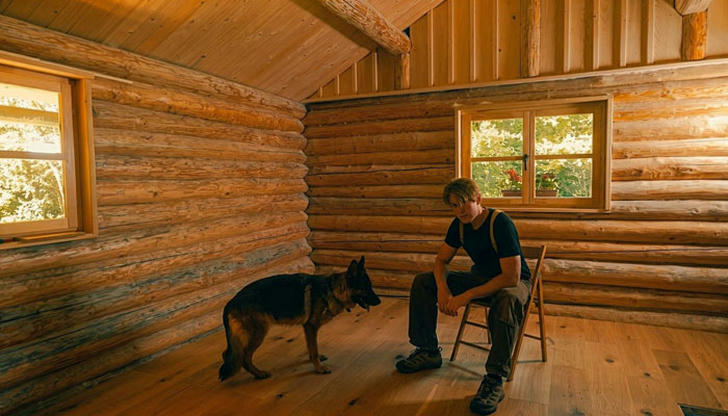
This is one of the regrets that owners mention most often.
Cabin living means muddy boots, wet jackets, hiking gear, fishing equipment, firewood, and sometimes muddy dogs. Without a dedicated entry area, dirt and moisture quickly spread throughout the house.
Even a small mudroom with durable flooring, storage benches, hooks, and shelving can make everyday life far more organized. It's not the most glamorous part of a cabin, but it may be one of the most useful.
8. Building More Space Than You'll Ever Use
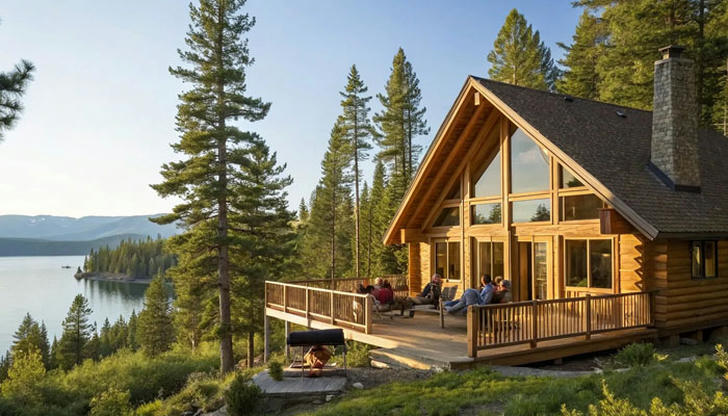
When planning a dream cabin, it's tempting to imagine hosting large family gatherings every holiday.
The reality is that many guest rooms sit empty for most of the year. Every additional square foot increases construction costs, heating bills, insurance premiums, property taxes, and cleaning time.
Many long-time cabin owners say they would rather have a smaller home with well-designed, flexible spaces than a larger cabin filled with rooms that rarely get used.
9. Choosing Style Over Energy Efficiency
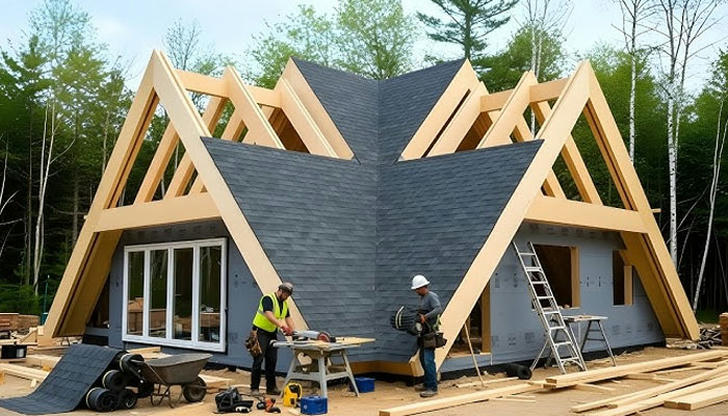
Some upgrades aren't exciting to look at, but they're the ones owners appreciate every month when the utility bills arrive.
High-quality insulation, energy-efficient windows, well-sealed doors, proper roof insulation, and effective air sealing may not attract attention during a home tour, yet they make a dramatic difference in comfort throughout the year.
Many homeowners admit they spent too much on decorative features while overlooking improvements that would have saved money for decades.
Build for Everyday Living, Not Just the Dream
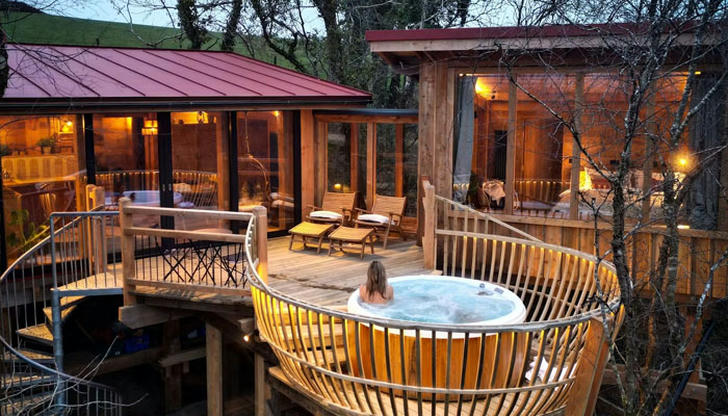
It's easy to fall in love with beautiful cabin photos online, but real life is different from a weekend vacation. The best log cabins aren't necessarily the largest, the most luxurious, or the most expensive. They're the ones that remain comfortable, efficient, and easy to maintain year after year.
Before making your final design decisions, ask yourself one simple question: Will this feature make everyday life easier, or does it simply look impressive?
A thoughtful design focused on comfort, practicality, and long-term value will usually bring more satisfaction than chasing every trend. By learning from the regrets of experienced cabin owners, you can build a log cabin that feels just as enjoyable ten years from now as it does on the day you move in.