
Cheap Cabin Design Choices That Cost More Over Time
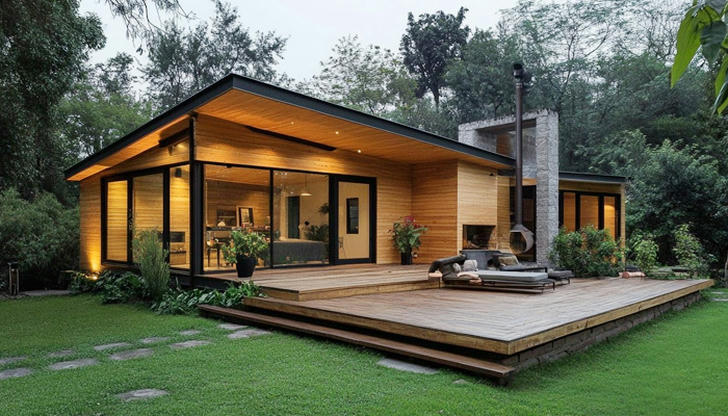
At first, building a log cabin feels like a chance to simplify. You picture quiet mornings, warm wood interiors, and a space that finally feels like your own. And naturally, you want to keep costs under control. So you cut a few corners here and there---it all seems harmless in the moment.
But a year later, those "small savings" start showing up in big ways: higher bills, constant repairs, and problems you didn't expect. The truth is, some of the cheapest design choices are the most expensive ones over time. Here are the ones that catch people off guard the most.
1. Skipping Proper Foundation Work
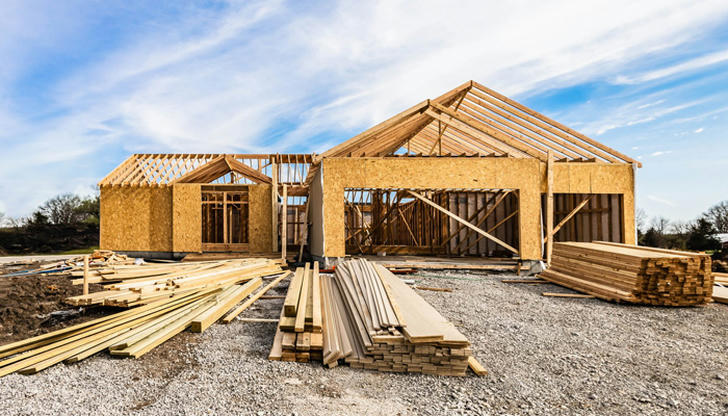
It's easy to assume the ground is "good enough," especially if everything looks stable during construction. Cutting back on foundation prep can save a noticeable amount upfront.
But over time, that decision can come back hard. Uneven settling leads to cracks, sticking doors, and even structural stress. Once that happens, repairs aren't just expensive---they're disruptive.
A properly built foundation with drainage planning isn't optional. It's what everything else depends on.
2. Using Low-Quality or Untreated Wood
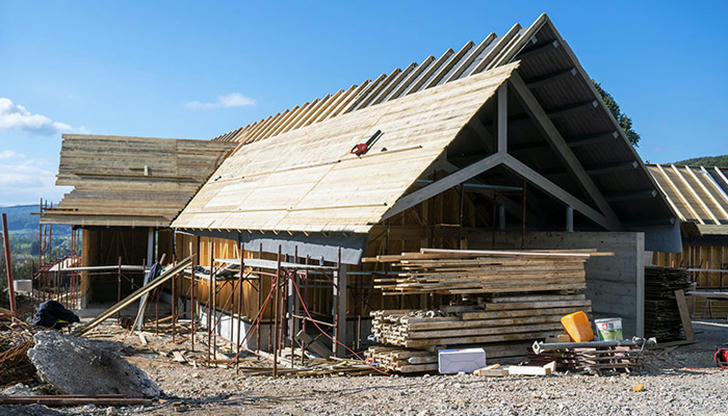
Not all logs are created equal, even if they look similar at first glance. Cheaper, untreated wood might seem like a smart way to reduce initial costs.
The problem shows up months or years later: rot, insect damage, warping, and deep cracks. And unlike cosmetic issues, wood damage spreads.
Spending more on properly treated, kiln-dried logs upfront can save you from ongoing maintenance---and major replacements down the line.
3. Installing Cheap Windows and Doors
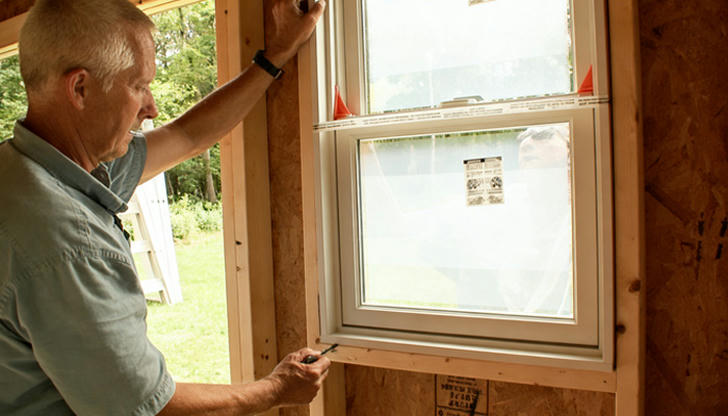
Windows and doors are one of the most underestimated cost traps. Budget options often look fine when installed, so it feels like an easy place to save.
But once temperatures drop, the difference becomes obvious. Drafts creep in, heat escapes, and your cabin never quite feels comfortable. Your heating system works harder, and your energy bills follow.
Well-insulated, double-pane windows and solid doors may cost more initially, but they quietly pay you back every winter.
4. Poor Insulation (or Skipping It Altogether)
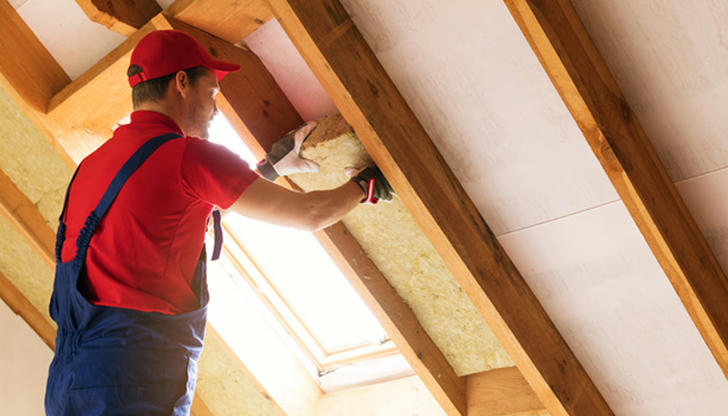
There's a common assumption that log cabins are naturally well-insulated. While wood does help, it's rarely enough on its own---especially in colder climates.
Without proper insulation in walls, roofs, and floors, cabins lose heat quickly in winter and trap heat in summer. That means higher utility costs and a space that never feels quite right.
Insulation isn't the most exciting part of design, but it's one of the most important.
5. Choosing an Overly Complex Roof Design
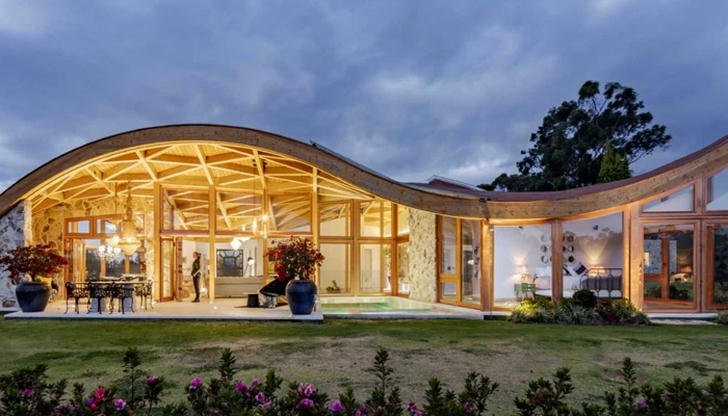
A complex roofline can look impressive on paper. Multiple angles, valleys, and peaks give a cabin a "custom" feel.
But complexity creates more weak points---especially when it comes to water. More seams mean more opportunities for leaks, and over time, those small vulnerabilities turn into frequent repairs.
A simpler roof design is often more durable, easier to maintain, and far less likely to cause problems.
6. Skipping Moisture Protection
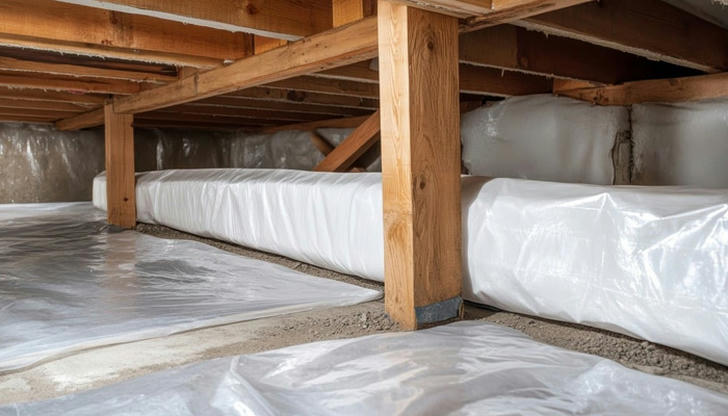
Moisture is one of the biggest long-term threats to any cabin---and one of the easiest to underestimate.
Because vapor barriers and sealing systems are mostly hidden, they're often seen as optional. But without them, moisture can seep into walls, leading to mold, rot, and that musty smell that's hard to get rid of.
Fixing moisture damage is rarely cheap, and sometimes it affects air quality as well. Proper sealing and moisture control from the start is a quiet investment that protects everything else.
7. Choosing Cheap Interior Finishes
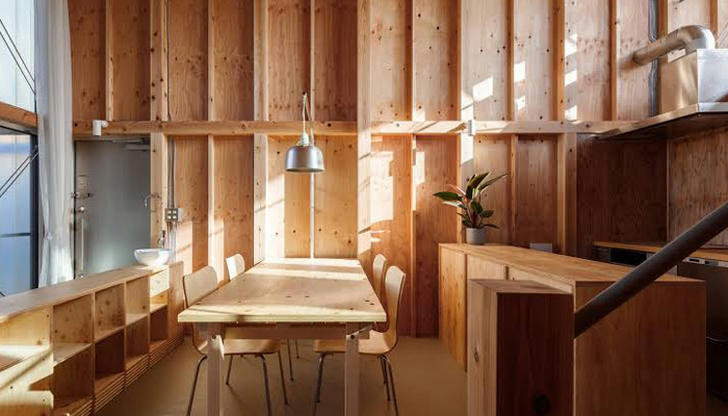
It's tempting to save on flooring, cabinets, or fixtures---especially after spending heavily on the structure itself.
But lower-end materials wear out faster. Floors scratch and warp, cabinets loosen, and finishes start to look tired much sooner than expected. Replacing them early often costs more than choosing better materials from the start.
Durable, mid-range finishes tend to strike the best balance between cost and longevity.
8. Ignoring Drainage Around the Cabin
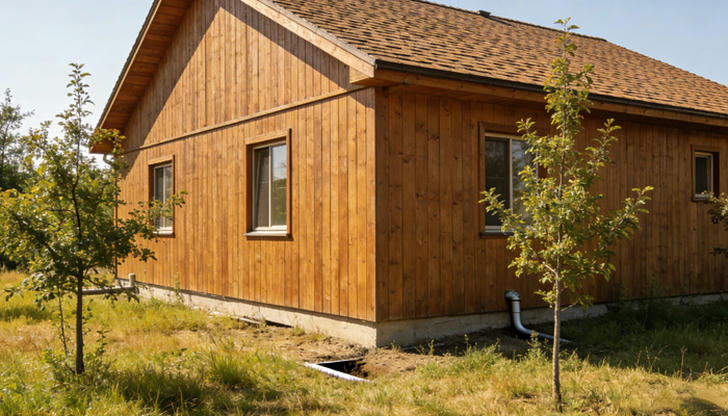
Water doesn't need much help to cause damage---it just needs direction. Without proper grading and drainage, rainwater can collect around the foundation.
Over time, that leads to soil movement, wood exposure to moisture, and even interior dampness. What starts as a small oversight can turn into structural repairs.
A simple drainage plan---like proper slope and runoff control---can prevent a long list of future issues.
9. Going Too Big Too Fast
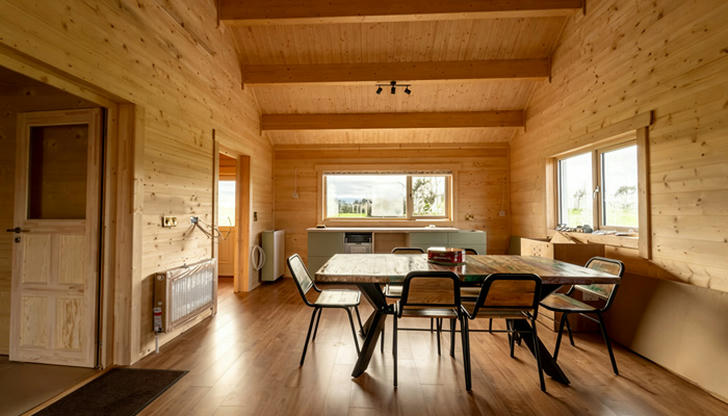
When designing a cabin, it's easy to think bigger is better. More space, more rooms, more flexibility.
But larger cabins cost more to heat, clean, maintain, and repair. What feels like a smart long-term investment can quietly become a constant expense.
A smaller, well-designed cabin often feels more comfortable and is much easier to manage over time.
10. DIYing Critical Work Without Experience
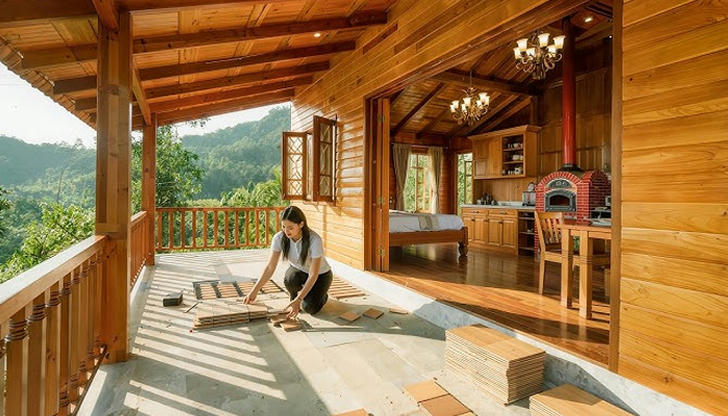
Doing some work yourself can absolutely save money---when it's the right kind of work.
But taking on critical systems like electrical, structural framing, or roofing without proper experience can lead to costly mistakes. And fixing those mistakes often costs more than hiring a professional in the first place.
Knowing where to DIY---and where not to---is one of the smartest financial decisions you can make.
Before You Build: A Quick Reality Check
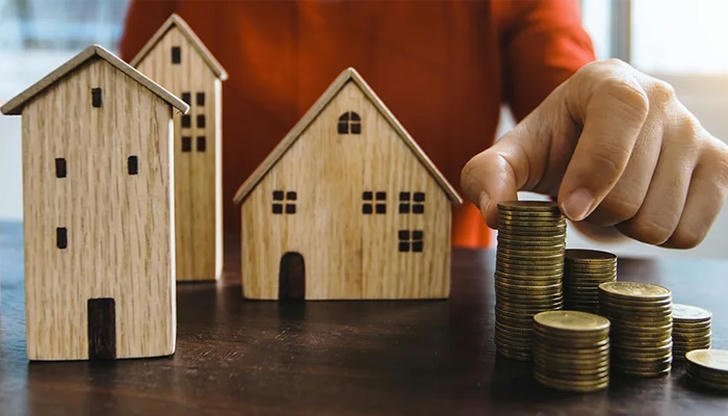
Before committing to any design choice, it helps to pause and ask a few simple questions:
Am I saving money now---or shifting the cost into the future?
Will this choice affect comfort every day?
If this fails, how expensive is it to fix?
These questions alone can prevent some of the most common (and costly) mistakes.
Final Thought
Cheap doesn't always mean affordable. In cabin design, the choices that seem minor at the beginning often shape your experience for years.
A well-built cabin should feel like a place to relax---not a list of ongoing repairs. If you're going to build one, it's worth doing it in a way that lasts.