
The Maintenance-Driven Design Decisions Nobody Talks About
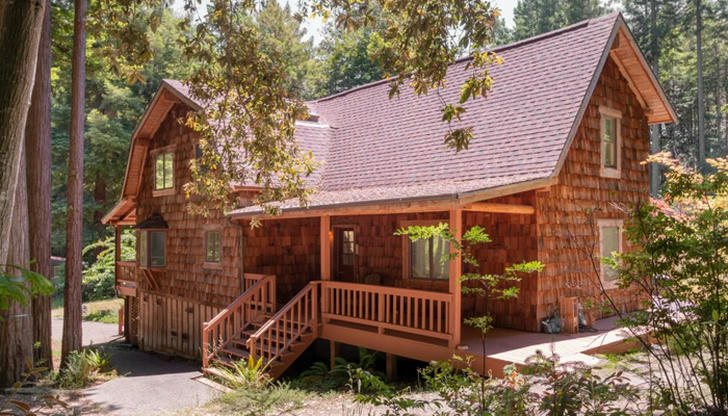
Log cabins have a way of selling a dream. Thick timber walls. A stone fireplace. Snow quietly piling up outside the window. Most design articles stop there---at the romance. But people who actually live in log cabins know a different truth: design choices decide how much work your cabin demands for the rest of its life.
Maintenance isn't something that happens after design. It's quietly built into every overhang, joint, window, and finish. And the cabins that age beautifully are rarely the most decorative ones---they're the ones designed with upkeep in mind from day one.
Here are the maintenance-driven design decisions most people don't hear about until it's too late.
Roof Overhangs: The Silent Protector of Log Walls
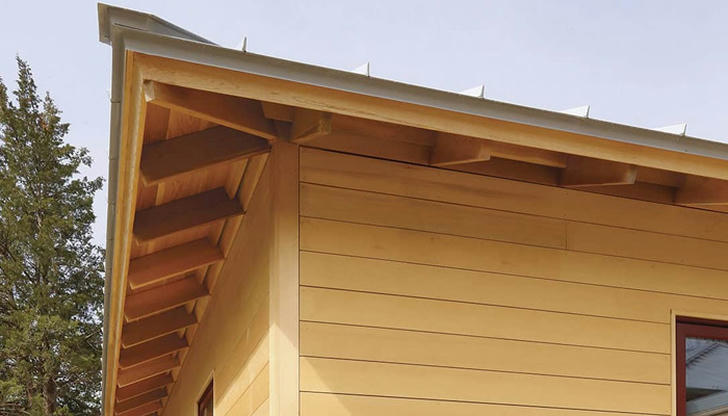
Short roof overhangs may look clean and modern, but they're one of the biggest long-term mistakes in log cabin design. Logs are strong---but they're still wood. Rain, snow melt, and sun exposure will find every unprotected surface.
Deep roof overhangs do more than add character. They:
- Reduce direct rain on log walls
- Limit UV exposure that dries and cracks wood
- Slow down staining and chinking failure
Cabins with generous overhangs often go years longer between refinishing cycles. That's thousands of dollars and countless weekends saved---without changing the cabin's charm at all.
Log Diameter Isn't Just a Look---It's a Maintenance Decision
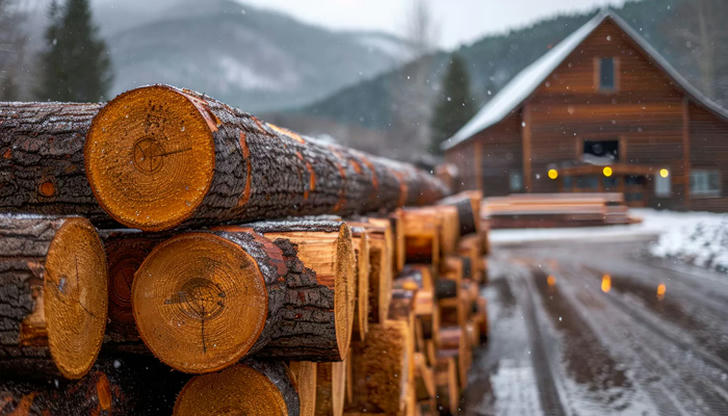
Bigger logs feel solid and impressive, but they also move more as they settle and respond to seasonal humidity. Smaller logs move less---but may require better insulation planning.
What many owners don't realize is that movement equals maintenance. More movement means:
- More frequent chinking checks
- More adjustment around windows and doors
- Greater stress on interior finishes
Good design doesn't chase the thickest log possible. It balances size, stability, climate, and long-term serviceability.
Window Placement: Beauty vs. Rot Risk
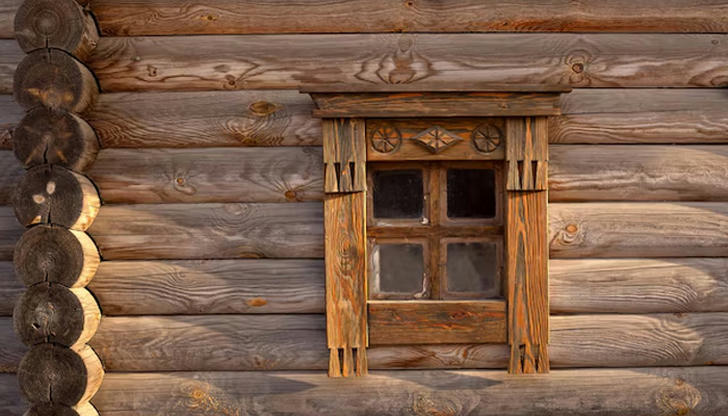
Large windows are irresistible in a cabin. They bring in light, views, and that open-to-nature feeling. But where those windows sit matters more than how big they are.
Windows placed too close to horizontal log joints invite water intrusion. Poor sill detailing traps moisture. And windows without proper drip edges quietly funnel water into the wall system.
Smart, maintenance-aware design includes:
- Raised window placement away from high-exposure zones
- Extended trim with proper flashing
- Slightly recessed window frames to shed water naturally
The result? Windows that stay beautiful---and logs beneath them that don't rot in silence.
Exterior Finishes That Age Gracefully (Instead of Failing Suddenly)
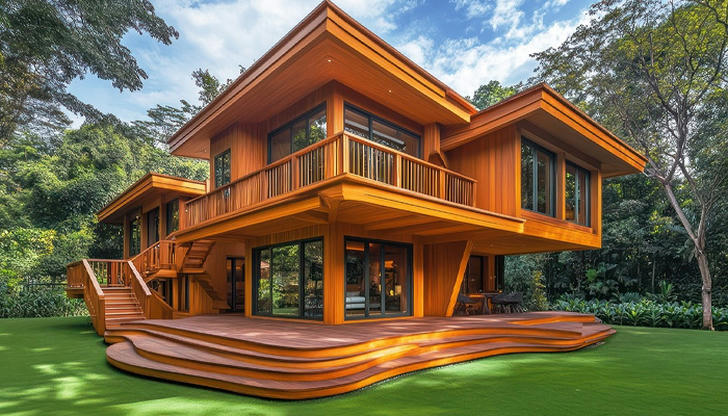
High-gloss stains look stunning on day one. They also show wear faster and fail more dramatically. When they go, they go all at once---peeling, cracking, and trapping moisture underneath.
Lower-sheen, breathable finishes don't shout for attention. Instead, they:
- Fade gradually instead of peeling
- Allow moisture to escape
- Make spot maintenance easier
A cabin that can be touched up section by section is far easier to live with than one that demands full refinishing every few years.
Foundations and Splash Zones: Where Cabins Quietly Decay
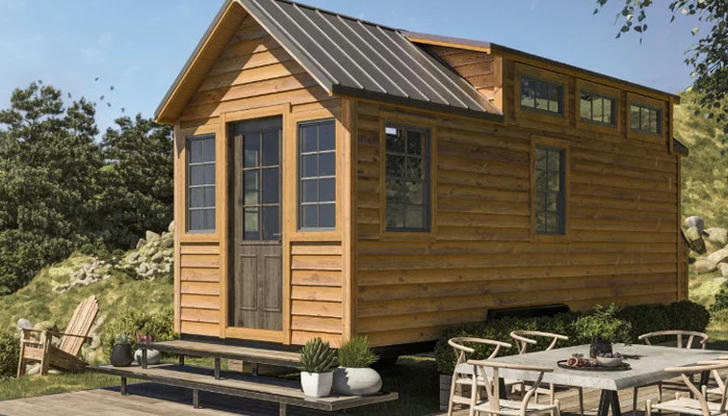
Most log damage doesn't start in the middle of a wall. It starts at the bottom---where rain splashes up from the ground.
Design choices that reduce splash damage include:
- Raised foundations that keep logs well above grade
- Gravel perimeter zones instead of soil or mulch
- Proper drainage slopes directing water away
These details are invisible in photos, but they dramatically extend the life of the lowest logs---the hardest and most expensive ones to replace.
Interior Materials That Forgive Movement
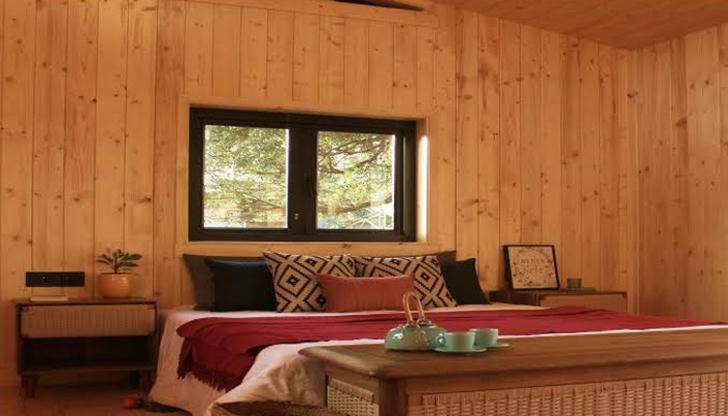
Logs expand, contract, and settle. Interiors that fight this reality crack, split, and separate.
Rigid drywall, tight trim joints, and fixed ceiling connections all suffer in a moving structure. Maintenance-friendly interiors use:
- Slip joints and floating connections
- Wood finishes that flex naturally
- Trim designs that hide seasonal movement
A cabin interior should move with the structure---not punish it for being alive.
Decks and Porches: Attached or Independent?
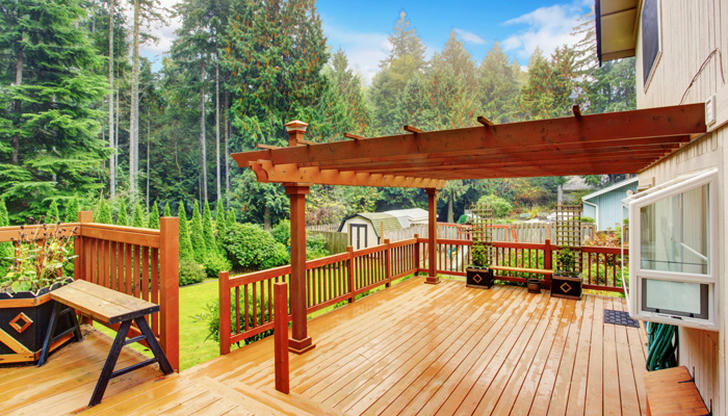
It's tempting to bolt a deck directly to a log wall. It looks seamless---but it creates a long-term problem.
Decks settle differently than cabins. Snow loads, moisture, and soil movement cause stress where the two meet. Over time, that stress opens gaps that invite water and insects.
Many experienced designers now prefer:
- Freestanding decks with slight separation
- Covered porches supported independently
- Flashing systems that assume movement
The separation may be subtle, but the maintenance savings are huge.
Chinking Design That Accepts Reality
No chinking system lasts forever. The goal isn't to avoid maintenance---it's to make maintenance predictable and manageable.
Designers who plan ahead:
- Avoid ultra-thin chinking lines that fail faster
- Use consistent joint widths for easier repairs
- Design access points so inspections aren't a nightmare
Cabins that treat chinking as a serviceable system---not a permanent seal---age far more gracefully.
The Big Truth: Low-Maintenance Cabins Aren't "Set and Forget"
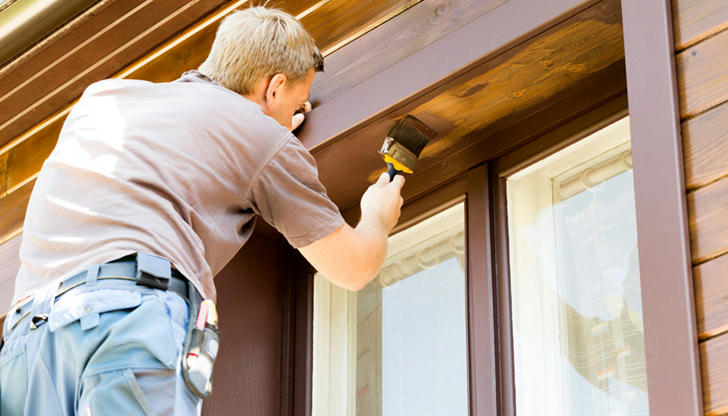
No log cabin is maintenance-free. But some are maintenance-friendly, while others are maintenance-hungry.
The difference isn't how rustic they look. It's how honestly they were designed.
A well-designed log cabin doesn't demand constant attention. It gives you time---time to enjoy the fire, the view, and the quiet reason you wanted a cabin in the first place.
And that kind of comfort doesn't come from decoration. It comes from design decisions nobody talks about---but every long-term owner lives with.