
How to Stay Cozy When Nature Gets Wild
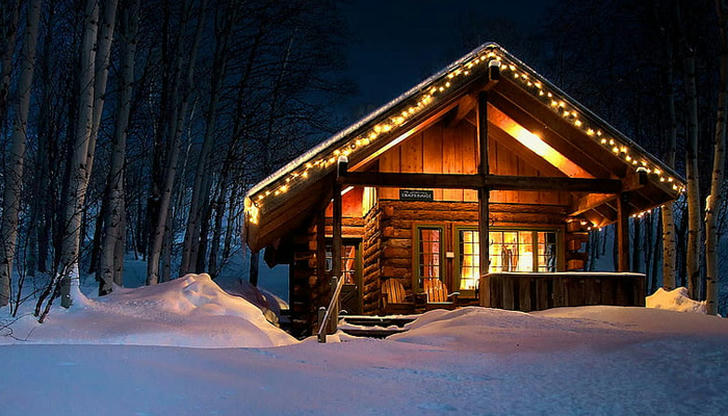
Log cabins have always carried a certain charm. They whisper of cozy nights by the fire, morning coffee on a porch overlooking misty pines, and a slower, simpler life away from city chaos. But as idyllic as it sounds, modern cabin enthusiasts are facing a new reality: extreme weather. From wildfires tearing through forests to record-breaking heatwaves and snowfall that crushes roofs, nature isn't playing by the old rules anymore. That's why climate-adaptive log cabins are becoming a hot trend---and not just because they're practical.
Rethinking Logs for Heatwaves
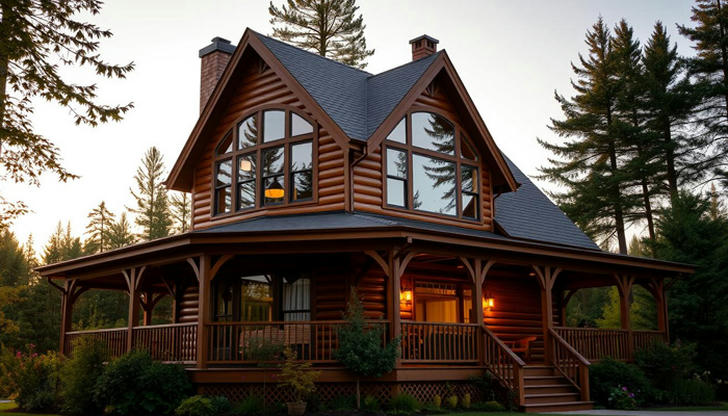
If you picture a log cabin, you probably imagine thick wooden walls that somehow keep the cold out in winter. But what about summer? Traditional log walls, especially those untreated or poorly insulated, can absorb heat and turn your cozy retreat into a sauna.
Enter the climate-adaptive approach. Builders are now pairing thick logs with high-performance insulation, reflective roof coatings, and energy-efficient windows to keep interiors cool even when the sun is blazing. Some cabins are even incorporating passive cooling designs---think wide eaves, cross-ventilation, and strategically placed windows---to naturally lower temperatures without cranking the AC. For those who love tech, solar-powered fans and smart thermostats can sense the heat and adjust airflow automatically. It's rustic living, but with brains.
Snow Loads? No Problem
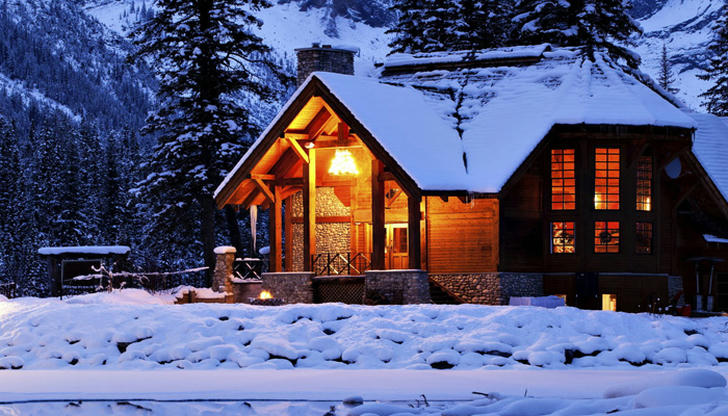
Heavy snowfall isn't just a winter wonderland---it's a structural challenge. A log cabin roof that looks quaint in photos can quickly become a hazard under several feet of snow. Climate-adaptive cabins tackle this with steeper roof pitches, reinforced trusses, and snow guards that prevent sudden avalanches from eaves. Some builders even use modern composites in roof cores that blend seamlessly with natural wood but add strength and resilience.
For cabin owners in northern climates, snow isn't just aesthetic---it's an insurance issue. Reinforced roofs reduce the risk of collapse and help keep heating costs lower by preventing heat from escaping through sagging or damaged roofing.
Fighting Fire: The New Frontier
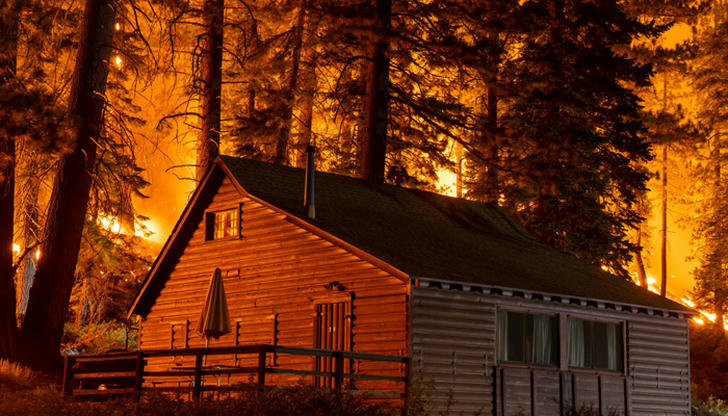
Wildfires are probably the scariest threat to any forest cabin owner. In the past, logs were highly flammable, and fire season meant nervous nights and last-minute evacuation plans. Modern adaptive cabins have introduced several smart solutions. Some logs are treated with fire-retardant chemicals that make them resistant to ignition. Others use hybrid designs, mixing logs with non-combustible materials in critical areas, like decks, chimneys, or siding.
Landscaping matters, too. "Defensible space" has become a key design principle---keeping the area around the cabin clear of brush, creating firebreaks, and using gravel or stone pathways instead of mulch can literally save a home. And yes, it's something a cabin owner can control without sacrificing that rustic charm.
Water Management: Beyond Gutters
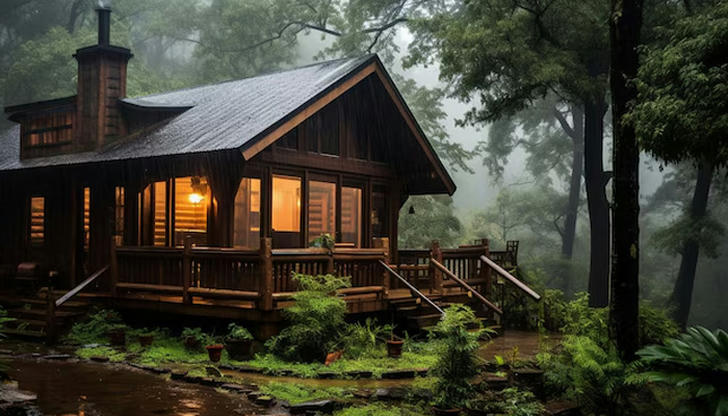
Extreme weather isn't only heat, snow, or fire---it's also torrential rain. Flooding and water damage can be deadly for a wooden structure. Climate-adaptive cabins are being raised on stilts in flood-prone areas, equipped with advanced drainage systems, and fitted with water-resistant sealants that keep moisture from seeping into logs. Even a small trickle through cracks can lead to mold, rot, or structural weakening over time. Smart water sensors now alert owners to leaks before they become disasters.
Eco-Friendly Meets Resilient
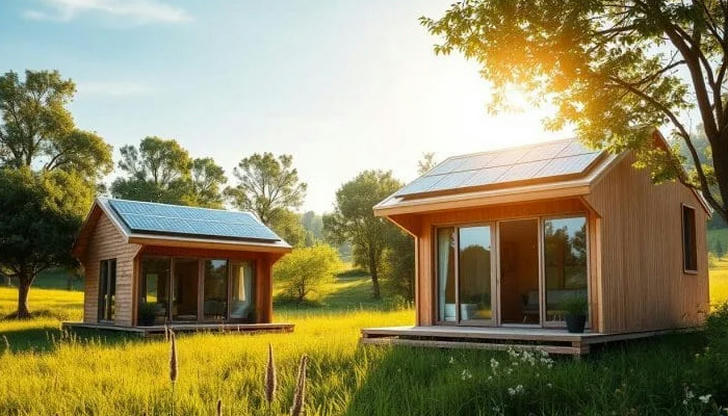
Here's the beauty of climate-adaptive cabins: you don't have to sacrifice sustainability for safety. Many of these designs incorporate eco-friendly innovations like sustainably sourced logs, energy-efficient appliances, and solar or wind power. A cabin can be off-grid, low-impact, and resilient all at once. Some builders are even experimenting with green roofs and living walls that provide insulation, absorb rainwater, and reduce fire risk by keeping vegetation hydrated.
Design That Works With Nature
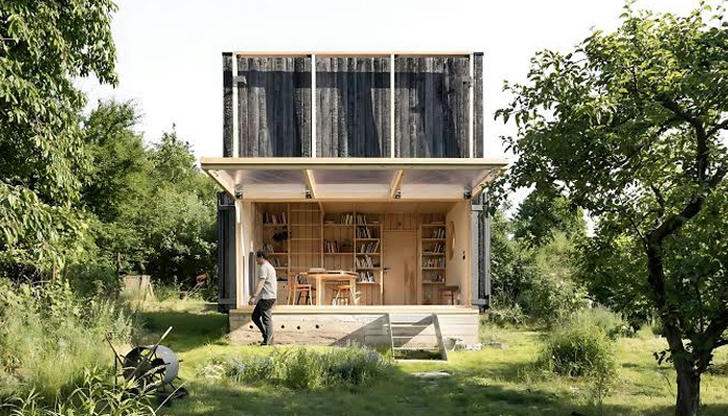
The key trend across all climate-adaptive cabins is that they respect nature instead of fighting it. Wide overhangs, strategic window placement, and natural ventilation all work with local conditions instead of against them. Smart landscaping and fire-resistant materials allow cabins to blend into forests safely. Even interior design takes cues from the climate---cool-toned flooring, shaded verandas, and insulated sleeping lofts that stay comfortable year-round.
Why This Matters to Cabin Lovers
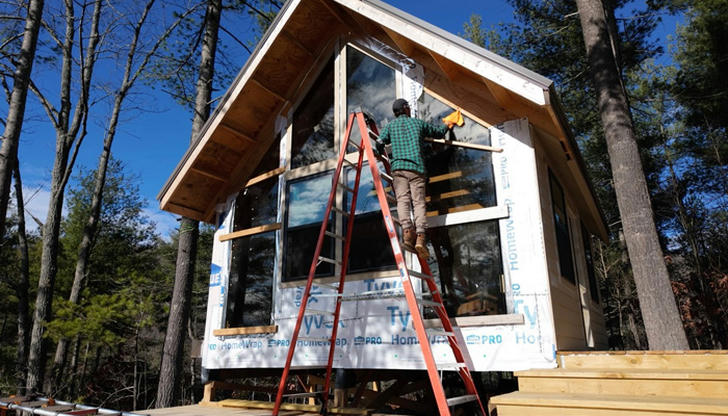
You might be thinking: "All of this sounds expensive." And yes, some features---like reinforced roofing or treated logs---can increase upfront costs. But consider the bigger picture: fewer repairs, lower energy bills, and a home that actually lasts. Climate-adaptive designs also make cabins easier to insure and maintain, which is a relief for anyone who's been burned---or frozen---by weather disasters in the past.
For first-time cabin buyers or DIY enthusiasts, even small upgrades matter. Swapping traditional single-pane windows for insulated double-glass units, sealing log cracks, or adding roof snow guards can make a world of difference without requiring a full rebuild.
The Takeaway
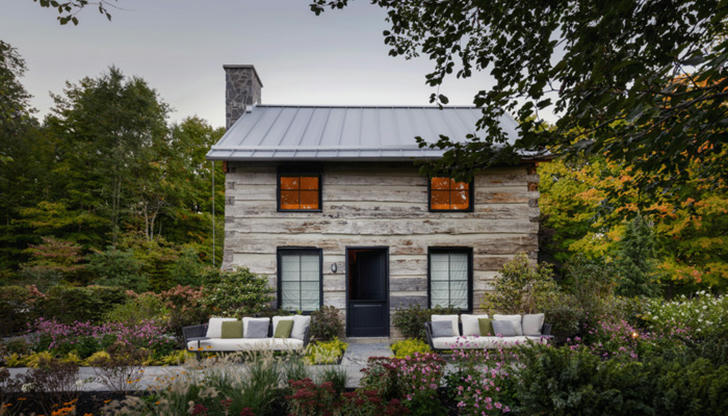
Log cabins aren't just charming relics of a simpler time---they're evolving. Today's climate-adaptive cabins are smarter, safer, and more resilient, proving that rustic living doesn't have to mean vulnerability. Whether you're dreaming of a winter hideaway, a summer retreat, or a year-round home in the woods, understanding how to protect your cabin against heat, snow, fire, and water is essential.
After all, a cabin is only as good as the comfort and security it provides. And with these innovations, you can enjoy the cozy log-cabin vibes while letting nature do what it does best---without putting you at risk.
So next time you imagine your perfect forest escape, think beyond the logs. Think adaptability. Think resilience. And most importantly, think peace of mind.