
Cabin Layouts That Actually Work (and the Ones That Don't)
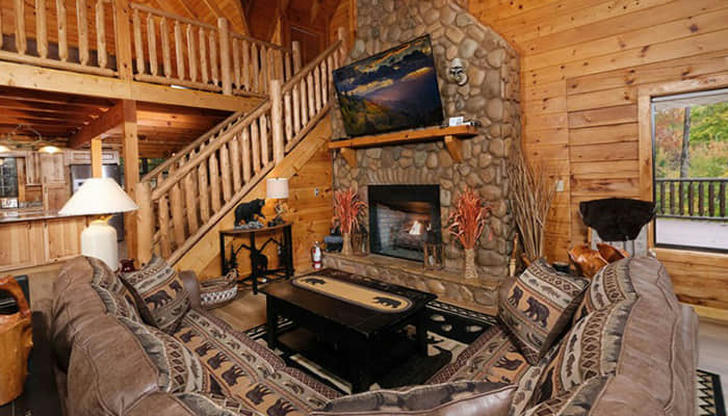
Picking a cabin for a weekend getaway or a week-long retreat can feel like a mini adventure in itself. But while we often focus on the view, the hot tub, or whether there's a fireplace, the truth is that the interior layout can make---or break---the whole experience. You can have the most scenic mountain cabin in the world, but if the floor plan doesn't make sense, your "relaxing" getaway might end up being a series of small frustrations.
Let's be honest: we've all been there. You arrive at a cute little loft-style cabin, only to discover that the bathroom is through the bedroom, the kitchen is tiny, and the living area barely fits two people. Suddenly, your romantic retreat feels like a circus, or your family weekend turns into a game of dodge-the-furniture. Knowing what works (and what doesn't) can save a lot of headaches---and maybe even prevent a bad review on Airbnb.
Open Kitchens: A Blessing or a Curse?
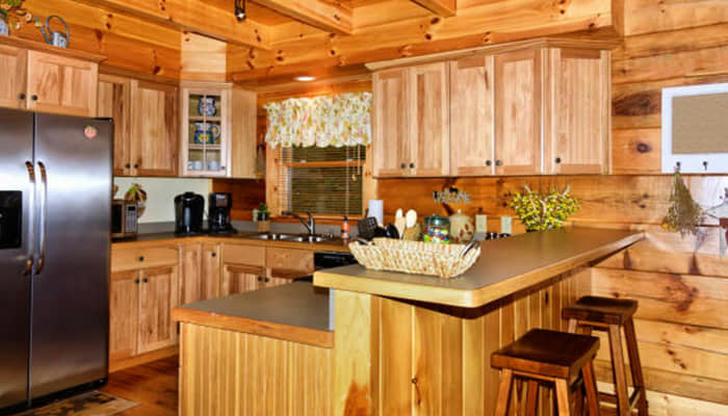
One of the biggest layout debates in cabins revolves around the kitchen. Open-concept kitchens with a big island and living room connection can feel modern and social, letting everyone hang out while someone cooks. For families or groups, this can be a lifesaver: the cook isn't isolated, the kids can do homework or watch a movie nearby, and no one feels stuck in a corner.
But open kitchens aren't always perfect. If your cabin is small, the smells from last night's pasta can linger in the bedroom, and cluttered counters are visible from every angle. In tiny cabins, a galley-style kitchen tucked off to the side can actually make the space feel more organized, as long as it doesn't block traffic flow.
Bedrooms and Privacy: Not Just a Luxury
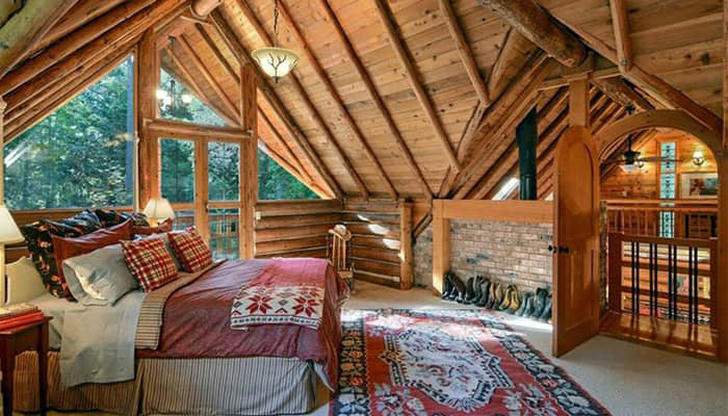
Here's where many cabins stumble. Loft bedrooms, common in rustic rentals, look dreamy in photos---but they often fail real-life tests. A loft bedroom might be a perfect reading nook or Instagram backdrop, but if it's open to the main living space, expect every snore, TV volume, or late-night snack raid to be part of your stay.
For couples seeking a romantic getaway, privacy matters. Sliding doors, separate sleeping quarters, or even just a small hallway buffer between rooms can make the difference between restful nights and awkward mornings. Families, on the other hand, might appreciate a cabin where kids' rooms are slightly separated from adults' sleeping areas, giving everyone space to recharge without stepping on each other's toes.
Bathrooms: More Than Just a Number
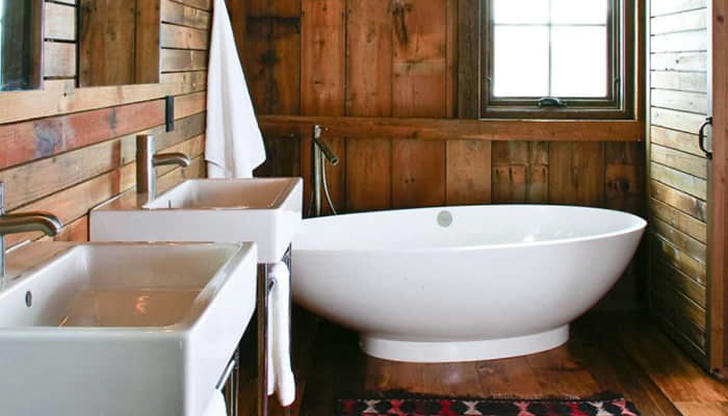
Bathrooms are another major layout pitfall. One bathroom for six adults? Not ideal. Even two bathrooms can feel cramped if they're located inconveniently. Pay attention to placement: a bathroom off a main hallway is usually better than one that forces everyone to pass through a bedroom. Small touches like dual sinks, proper ventilation, and privacy locks go a long way in making a cabin feel functional rather than frustrating.
Living and Dining Spaces: Where Comfort Counts
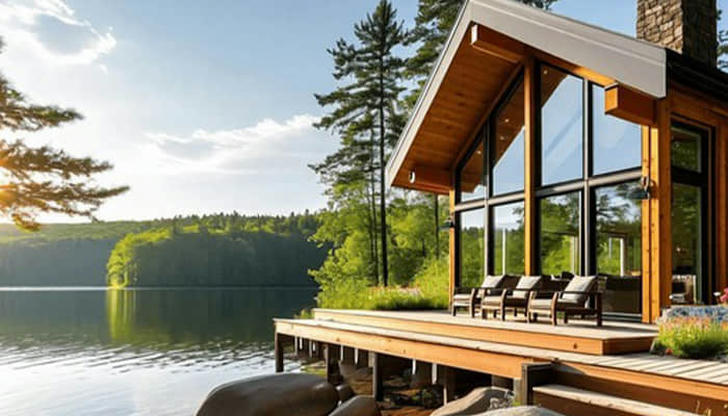
A common mistake in cabin design is prioritizing the view over usability. You might have a jaw-dropping wall of windows facing the lake, but if the seating is minimal or awkwardly placed, no one will actually enjoy it. Comfortable furniture, clear walkways, and a dining area that accommodates your group are small details that make a big difference.
For families, open living and dining spaces let kids play while adults cook or relax. Couples might prefer cozy corners, nooks by a fireplace, or even a hammock for reading. Think about how people will actually use the space, not just how it looks in photos.
Layouts That Match Your Trip Type
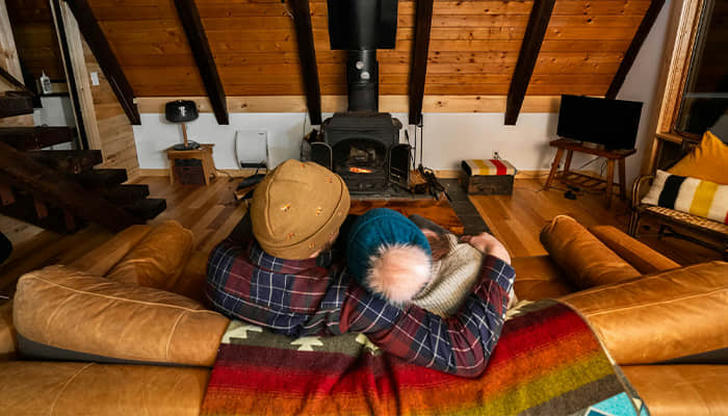
Not all cabins are created equal---and the "right" layout depends on who's staying. Here's a quick guide:
- Romantic couples: Separate bedroom, cozy living space, a small but efficient kitchen, and lots of private spots for reading, coffee, or a glass of wine.
- Family weekends: Multiple bedrooms, bathrooms near bedrooms, open living/kitchen spaces, and durable furniture.
- Friend groups: Flexible seating, bunk or loft options, and a central gathering space are key.
Think about your priorities: sleep quality, privacy, space to cook, and places to gather all weigh into your overall satisfaction.
Practical Tips Before Booking
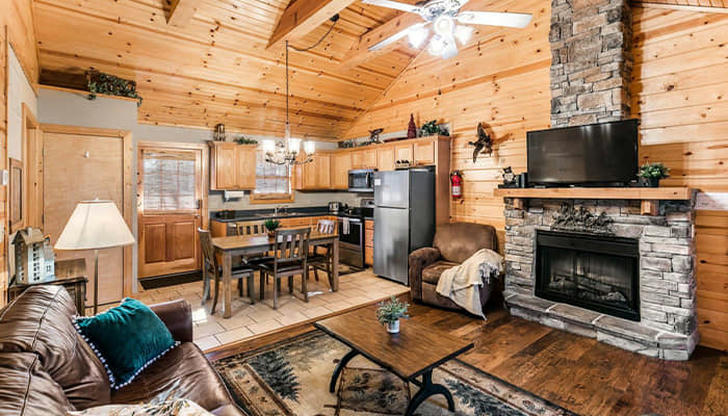
- Check photos carefully: Look beyond décor and note how spaces connect.
- Read reviews: Previous guests often mention layout frustrations or advantages.
- Ask questions: Hosts can clarify which beds are private, which bathrooms are shared, and how open the kitchen really is.
- Consider flow: Imagine making breakfast, doing laundry, or reading a book---does the layout support everyday movement, or will it feel like an obstacle course?
Bottom Line
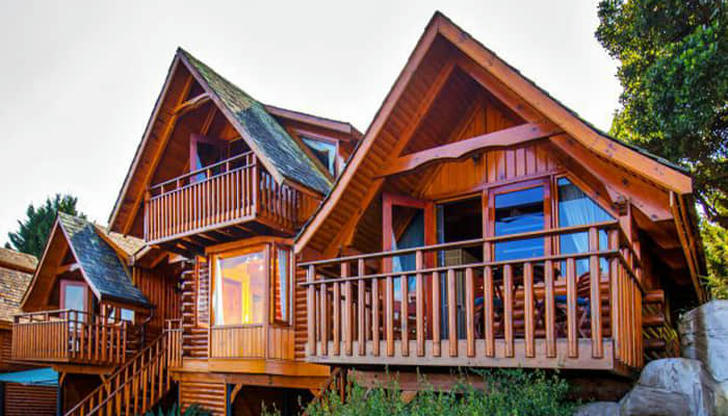
A cabin's layout is more than just a design choice---it shapes how you live, eat, sleep, and unwind during your trip. The right layout can turn a weekend getaway into a restorative retreat, while a poorly planned floor plan can make a dream cabin feel like a test in patience.
So next time you're browsing cabins online, take a moment to visualize living there. Will the kitchen be a joy or a mess? Will everyone get a good night's sleep? Will the bathrooms be easy to access? These details might not be glamorous, but they make the difference between a cabin you rave about and one you just survive.
After all, there's nothing worse than coming home from a "relaxing cabin weekend" and realizing the real challenge was navigating the loft bathroom at 2 a.m.