
Can You Actually Work From a Log Cabin? We Tested It.
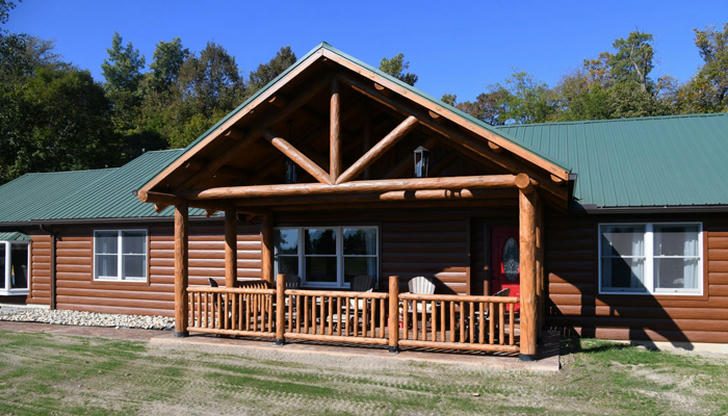
Remote work has changed the way we travel. Instead of squeezing trips into long weekends, more people are asking a different question: What if I just worked from somewhere better? A log cabin in the woods sounds like the perfect upgrade --- fresh air, zero office politics, and coffee on a quiet deck instead of in traffic.
But here's the real question: can you actually work from a log cabin, or is it just a good-looking fantasy?
We tested it. And the answer is: it depends.
1. Wi-Fi: The Make-or-Break Factor
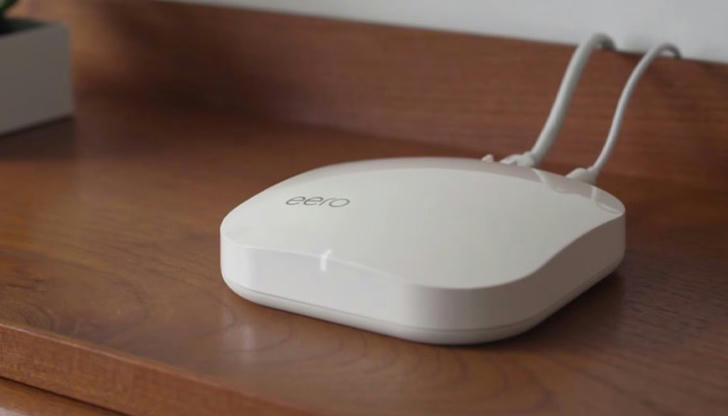
Every cabin listing says "Wi-Fi available." That means almost nothing.
In our test rental, the host promised "high-speed internet." What we got was 18 Mbps download and 3 Mbps upload on a good morning. That is technically usable. It is not ideal for multiple Zoom calls, file uploads, and streaming at the same time.
Here is what we learned:
Anything under 10 Mbps download is risky for video calls.
Upload speed matters more than most people realize. If it is under 5 Mbps, your screen sharing may freeze.
If more than one person is working, double the speed you think you need.
Before booking, ask the host for:
A recent speed test screenshot
The internet provider name
Whether it is cable, fiber, DSL, or satellite
Satellite internet in remote areas can be stable, but latency can cause awkward delays during meetings.
If Wi-Fi is your income, do not rely on vague descriptions.
2. Cell Signal: Your Backup Plan
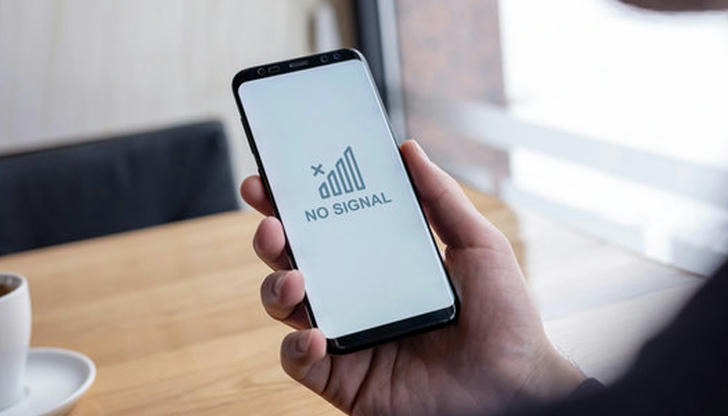
Even if the cabin Wi-Fi fails, your phone hotspot can save the day. Or it can leave you staring at "No Service."
In our test, the cabin had strong Wi-Fi but weak cellular signal inside. We had to step outside onto the porch to get reliable 4G. That is charming for a personal call. It is less charming in the middle of a client presentation.
Before booking:
Check coverage maps for your carrier.
Ask the host which carriers work best in the area.
Confirm if the cabin walls affect signal. Log cabins with thick timber can weaken reception indoors.
If your job depends on constant connection, a poor cell signal is a serious risk.
3. Power Reliability: The Quiet Concern
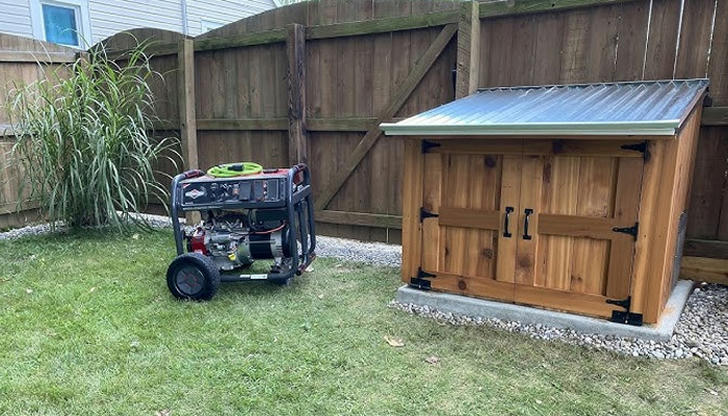
Urban apartments rarely lose power. Remote cabins sometimes do.
During our stay, a short storm knocked out electricity for two hours. That meant:
No Wi-Fi
No charging
No lights
No coffee
Some cabins have backup generators. Many do not.
Ask:
How often does the area experience outages?
Is there a generator?
Is there surge protection?
If you work with sensitive equipment or tight deadlines, this detail matters more than the hot tub.
4. Workspace Reality: Table or Real Desk?
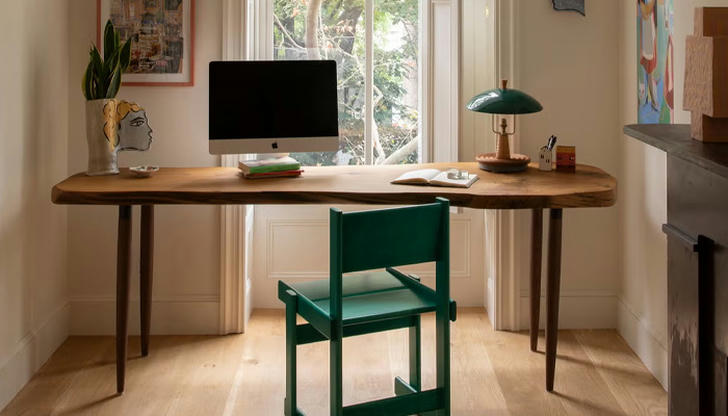
Cabin photos focus on fireplaces and views. They rarely show a proper desk.
Our test cabin had:
A beautiful wooden dining table
Soft lighting
No ergonomic chair
After two full workdays, the charm faded. Neck strain is not part of the rustic aesthetic.
Look for:
A dedicated desk
A supportive chair
Good natural light
Enough outlets near the workspace
If you plan to stay more than a few days, comfort becomes productivity.
5. Noise Levels: Not Always Silent
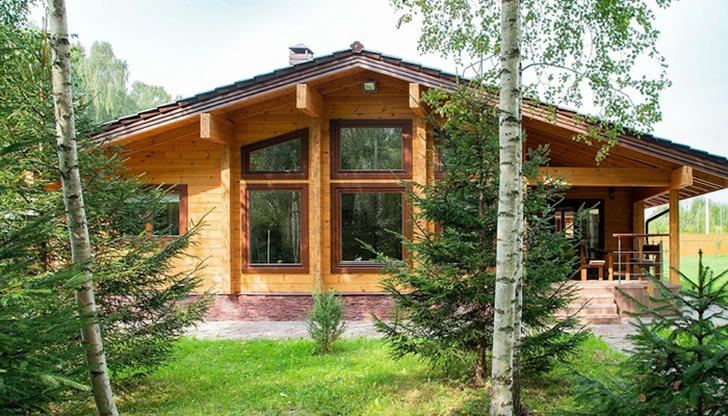
People imagine cabins as silent retreats. Nature is not silent.
During our stay, we heard:
Woodpeckers hitting trees
Wind against the cabin walls
Early-morning lawn equipment from a nearby property
Some cabins marketed as "secluded" are part of small cabin communities. That means neighbors, shared driveways, and occasional noise.
If you take many calls, ask:
How close are the nearest neighbors?
Is the cabin near a road?
Is there ongoing construction nearby?
Silence is not guaranteed just because there are trees.
6. Temperature Control: Productivity and Comfort
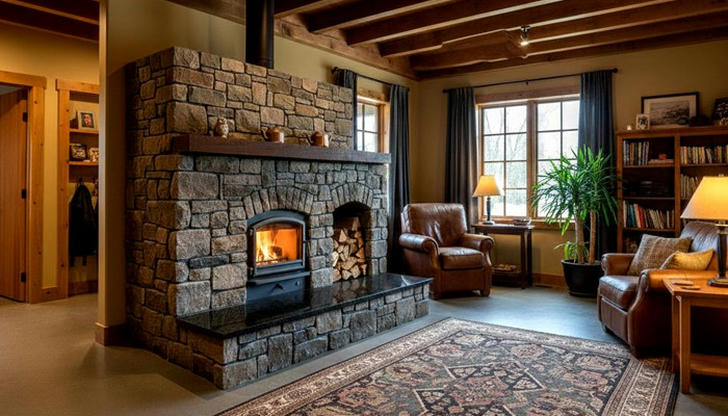
Log cabins can be harder to regulate than modern apartments.
In cooler climates:
Wood stoves require manual effort
Some heating systems are uneven
Floors can feel cold
In warmer climates:
Air conditioning may be limited
Upper loft areas can get hot
We noticed temperature shifts throughout the day that affected focus. If you are constantly adjusting layers, your concentration drops.
Confirm:
Type of heating and cooling
Whether temperature is centrally controlled
Whether insulation has been updated
Comfort supports consistent work.
7. Mental Focus: The Unexpected Challenge
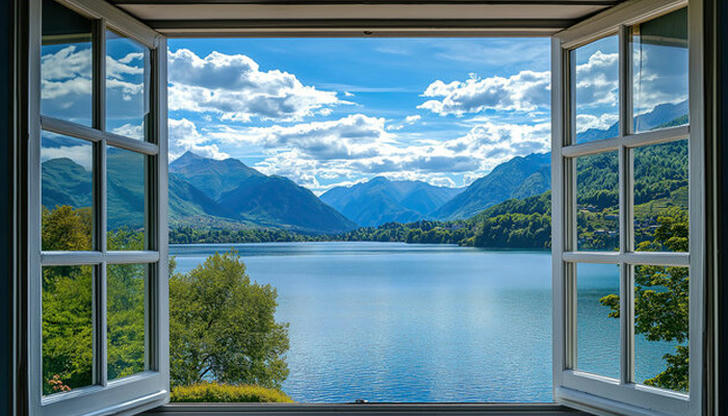
Working in a cabin sounds peaceful. It can also be distracting in a different way.
When you look outside and see:
A quiet lake
A forest trail
A perfect hammock
It becomes harder to stay on spreadsheets.
The environment changes your mindset. That can be refreshing, but it may reduce discipline if you do not set clear boundaries.
We found the best balance by:
Working strict morning hours
Scheduling outdoor time as a reward
Avoiding mid-day "quick hikes"
Cabin life can boost creativity, but structure is still necessary.
8. Grocery and Coffee Logistics
In cities, coffee shops and grocery stores are minutes away. In remote cabin areas, they may be 30 minutes or more.
That affects:
Lunch breaks
Last-minute supplies
Backup workspaces
If the Wi-Fi fails, you may not have a nearby café to escape to.
Plan ahead:
Bring enough groceries
Identify the closest town
Know where emergency workspaces are located
Isolation can be peaceful. It can also limit flexibility.
So, Can You Actually Work From a Log Cabin?
Yes --- if you treat it like a work location first and a vacation second.
A cabin can absolutely function as a remote office when:
Internet speeds are verified
Cell signal is reliable
Power outages are rare or backed up
There is a real workspace
You plan your schedule intentionally
It is not automatic productivity just because the setting is beautiful.
For some people, the forest view reduces stress and increases focus. For others, technical instability creates more anxiety than relaxation.
The key difference between a magical work-from-cabin experience and a stressful one is preparation.
Before booking, ask detailed questions. Do not assume. Do not rely on adjectives like "cozy" or "high-speed." Get numbers, confirmations, and specifics.
Because the truth is simple: a log cabin can be the best remote office you ever had.
Or it can be the most expensive place you ever tried to upload a file.
The difference is in the details.