
Love Solo Getaways
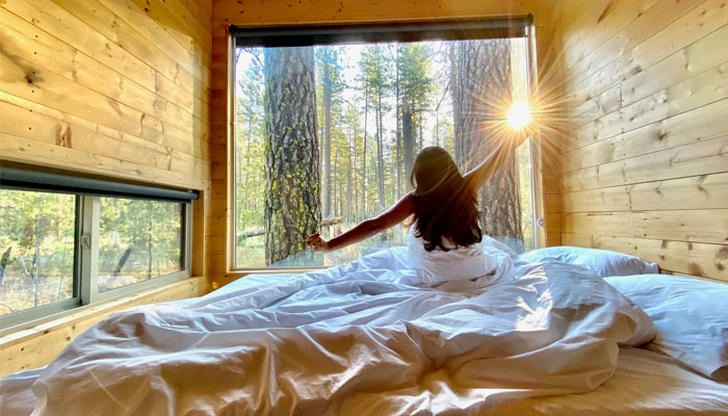
Traveling alone sounds relaxing until you picture a lonely cabin in the middle of nowhere, with no neighbors, no phone signal, and a strange noise outside at night. That’s not exactly the peaceful escape most people want.
The good news? You can enjoy a quiet cabin retreat without feeling isolated. The right location, a few thoughtful comforts, and activities like reading, meditation, and digital detox can make a solo getaway feel safe, cozy, and genuinely refreshing.
1. Choose a Cabin Near a Small Mountain Town
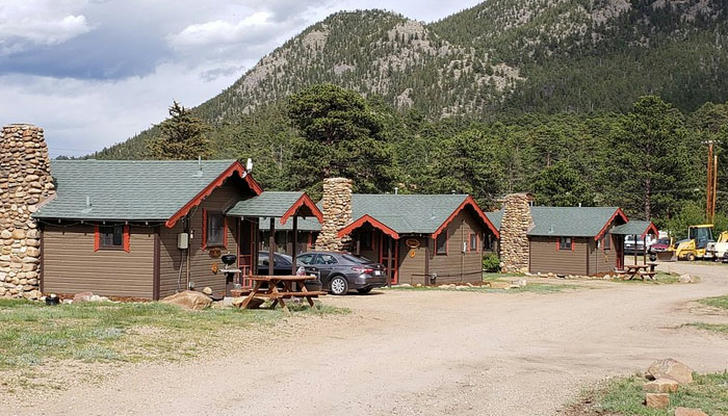
You don't have to disappear into the wilderness to enjoy mountain views. Look for a cabin just outside a small mountain town, where you can wake up to misty forests, spend the afternoon on a scenic trail, and head into town for coffee or dinner. You get the best of both worlds: peaceful surroundings without feeling cut off from civilization.
For destinations in the United States, consider areas around Asheville, North Carolina, or towns near the Smoky Mountains in Tennessee. Look for established vacation rentals with clear directions, reliable phone service, and nearby shops. You can spend the morning reading on the porch, take a short hike after lunch, and return before dark without planning an entire expedition.
2. Try a Cozy Cabin at a Glamping Resort
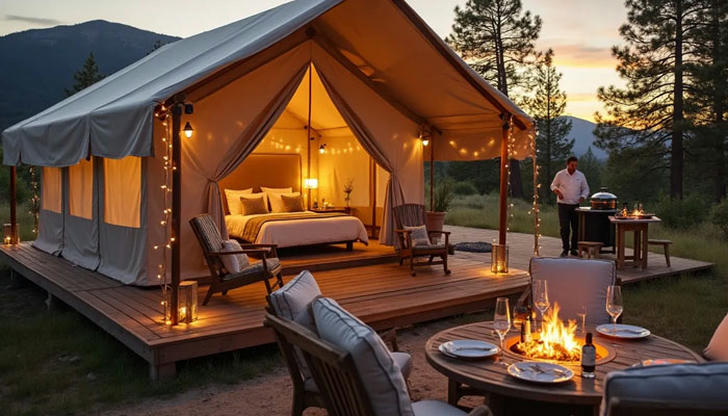
If a completely private cabin feels a little too quiet, a glamping resort might be a better fit. These properties often offer small wooden cabins, tiny homes, or stylish A-frame stays while keeping other guests within walking distance. You still have your own space, but there are people around if you feel like chatting or need assistance.
Many glamping sites also provide shared fire pits, outdoor seating, walking paths, or on-site activities. You can enjoy a book by the window, practice a short meditation session, or watch the stars without worrying about being the only person for miles. Before booking, check whether the property has staffed reception, well-lit common areas, and clearly marked paths between cabins.
3. Book a Lakeside Cabin in a Popular Vacation Area
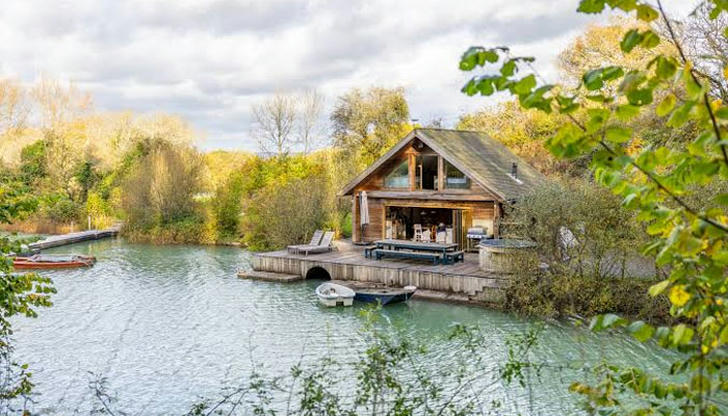
There is something especially calming about staying beside a lake. The water gives you a natural focal point, whether you're sipping coffee at sunrise, watching ducks from the dock, or sitting quietly with your thoughts. Unlike a remote forest hideaway, a cabin in a popular lake district may offer nearby restaurants, marinas, and other vacation rentals.
Lake regions such as the Finger Lakes in New York and parts of Wisconsin's Northwoods offer a range of stays, from simple cottages to modern waterfront cabins. Choose a property near a village or a well-established recreation area rather than one reached by a long, unmarked road. During the day, try journaling by the water or taking a gentle walk. In the evening, settle in with a paperback and let the quiet do its job.
4. Stay in a Small A-Frame With Modern Comforts
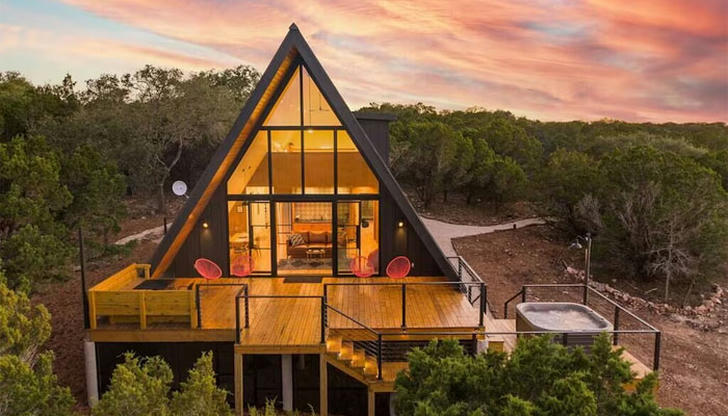
A-frame cabins look like something out of a storybook, with steep roofs, large windows, and cozy interiors. They're popular for a reason: they feel special without requiring you to give up everyday comforts. A warm bed, a proper bathroom, a kitchen, and reliable heating can make a solo trip feel like a treat rather than a survival challenge.
Look for A-frames in established vacation communities near the Catskills in New York or the Pocono Mountains in Pennsylvania. These areas offer wooded settings alongside towns, restaurants, and outdoor attractions. During the day, open the curtains, make a slow breakfast, and enjoy a few hours without rushing anywhere. At night, keep the exterior lights on as needed, check the door locks, and enjoy the cozy atmosphere without letting every branch outside become a mystery.
5. Pick a Cabin With a Porch, Garden, or Private Patio
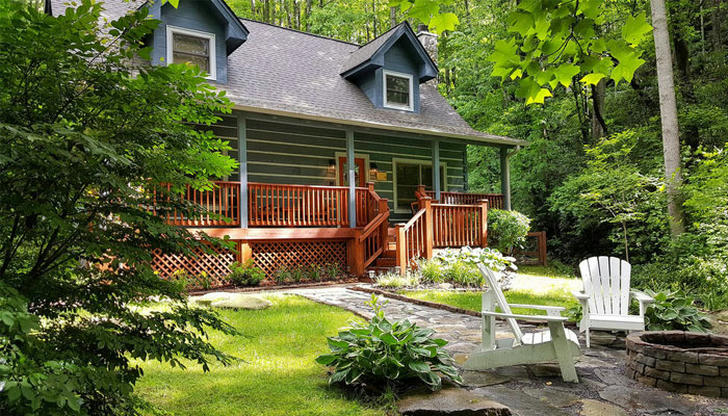
Not every solo retreat needs dramatic mountains or a lake view. Sometimes, a small cabin with a private porch and a few trees outside is enough. Outdoor space gives you somewhere to sit, stretch, drink tea, or watch the morning light change without having to leave your accommodation. It also makes the stay feel less confined than spending an entire day inside four walls.
Consider cabins in rural areas near established towns, particularly properties with landscaped gardens or maintained grounds. Bring a journal, a comfortable sweater, and a book you've been meaning to finish. You could spend twenty minutes practicing mindfulness in the morning, eat lunch outdoors, and watch the sunset before heading inside. The goal isn't to fill every hour with activities; it's to enjoy having time that belongs entirely to you.
6. Find a Cabin Near Easy Walking Trails
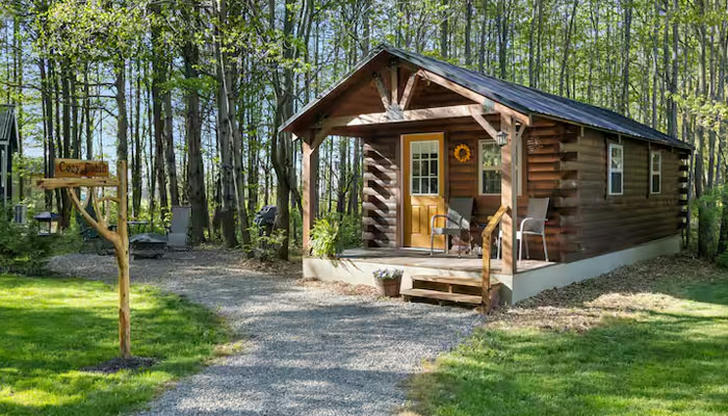
A little movement can make a solo trip feel more enjoyable, especially if you're worried about getting bored. A cabin near easy walking trails gives you a simple reason to get outside without committing to a difficult hike. You can take a short morning walk, notice the birds and changing leaves, and return whenever you feel ready.
Look for established trail networks near visitor centers, small towns, or popular state parks. Areas around Shenandoah National Park in Virginia, for example, offer access to scenic walks and nearby communities. Check trail conditions and daylight hours before heading out, and choose routes that match your fitness level. If you're new to solo travel, a well-used trail is often a better choice than an isolated backcountry route.
7. Create a Digital Detox That Doesn't Feel Like Punishment
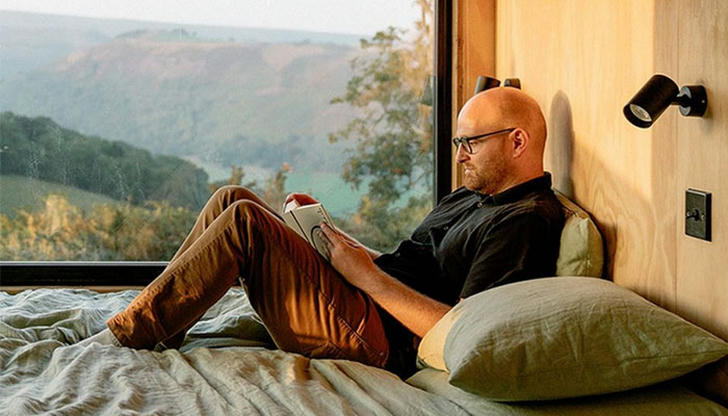
A cabin retreat can be a good opportunity to step away from endless notifications, social media, and work messages. But a digital detox doesn't mean you have to switch off your phone completely or pretend you don't enjoy technology. Start with a few phone-free hours instead. Put your device away during breakfast, read a chapter of a book, or try a guided meditation before bed.
Keep your phone charged and available for navigation, emergencies, and checking in with someone you trust. Download maps and useful information before arriving if service may be unreliable. You can also bring an e-reader, a notebook, or a small speaker for relaxing music. The point is to make room for quieter activities without sacrificing the practical tools that help you feel secure.
8. Make Safety Part of the Booking Process
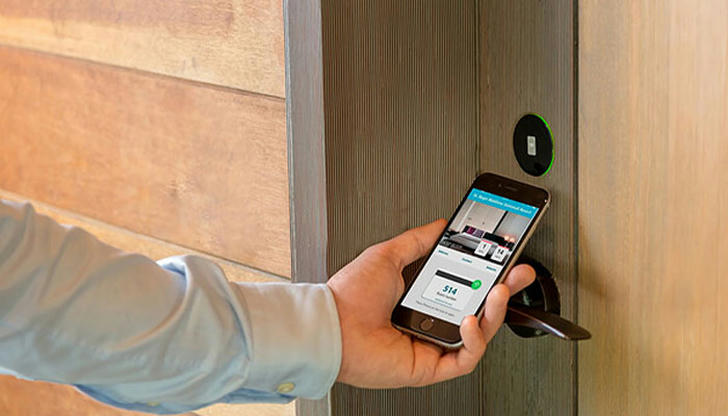
A beautiful cabin isn't worth a stressful stay if you spend the entire night wondering whether you're safe. Before booking, read recent reviews and look for comments about the surrounding area, cleanliness, lighting, check-in procedures, and the accuracy of the listing. Confirm the exact location, arrival instructions, and whether the host is reachable if something goes wrong.
Once you arrive, inspect the door locks, locate the nearest exit, and make sure your phone has enough battery. Share your itinerary and accommodation details with someone you trust, especially if you'll be hiking or driving through rural areas. If anything about the property feels significantly different from what was advertised, contact the host and consider alternative arrangements. Feeling comfortable is part of the retreat, not an optional extra.
Make Your Solo Cabin Stay Feel Like a Real Break
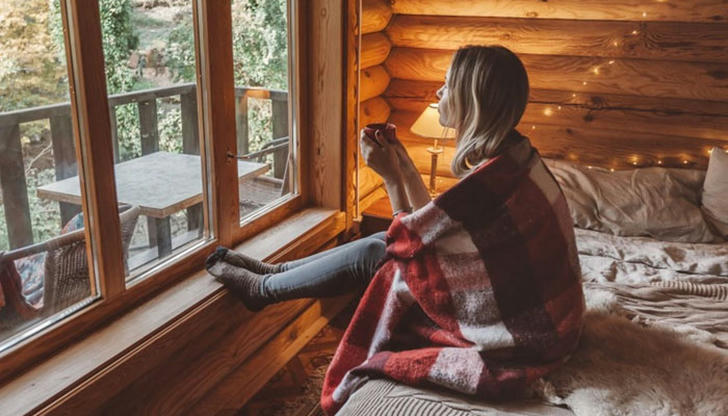
The best solo cabin retreat isn't necessarily the most remote or the most expensive. It's the one where you can relax without constantly worrying about what might happen next. A welcoming location, comfortable amenities, and a few simple plans can turn a quiet weekend into something you'll genuinely look forward to repeating.
Give yourself permission to do less. Read without checking the time, enjoy a slow breakfast, take a walk, or spend ten minutes meditating before bed. You don't have to conquer a mountain or completely disconnect from the world to benefit from being alone. Sometimes, a cozy cabin near a friendly town is all you need to come home feeling calmer, clearer, and a little more like yourself.