
Why Cabin Vacations Feel So Different From Hotels
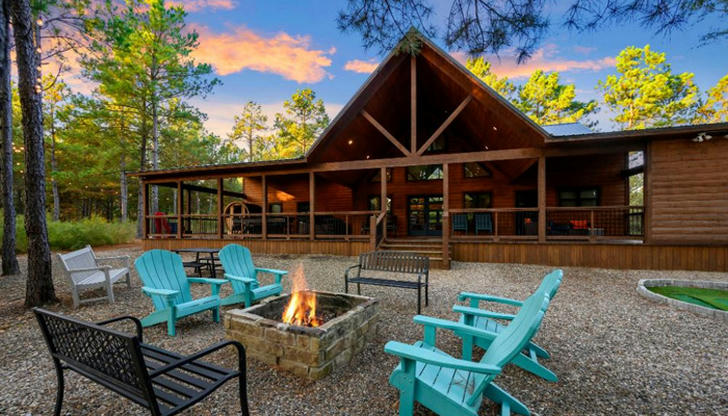
Most hotels are designed to make life easier. Everything is meant to feel smooth, predictable, and efficient. You check in, unpack your bags, and immediately know where everything is. The lighting feels familiar, the bed looks professionally arranged, and someone else handles the cleaning, the breakfast, and often even the entertainment suggestions.
Cabin vacations feel completely different.
Hotels Are Built for Convenience - Cabins Are Built for Escape
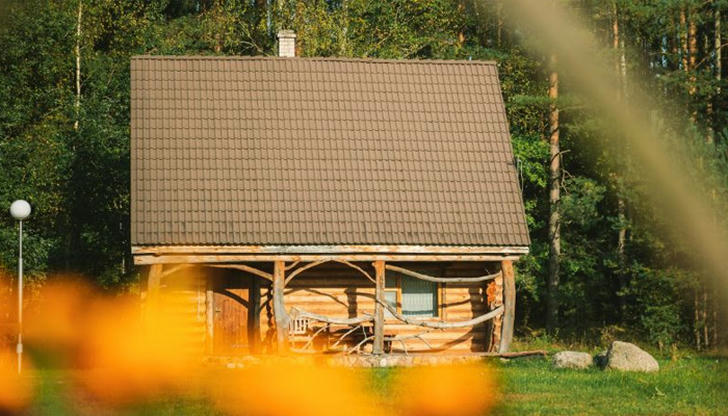
Hotels are created to support movement. Travelers come and go constantly. Elevators open all night, people walk through hallways, and notifications continue buzzing from phones and laptops. Even luxury hotels often keep guests connected to the same rhythm of daily life.
Cabins slow that rhythm down.
The moment people arrive at a cabin, ordinary routines begin to shift. Instead of rushing downstairs for breakfast, they make coffee slowly in the kitchen. Instead of hearing traffic outside the window, they hear wind moving through trees or rain tapping against the roof.
A hotel encourages productivity and activity. A cabin quietly encourages people to stop.
That change alone can feel surprisingly powerful for people who spend most of their lives surrounded by noise, schedules, and constant stimulation.
Silence Feels Different in a Cabin
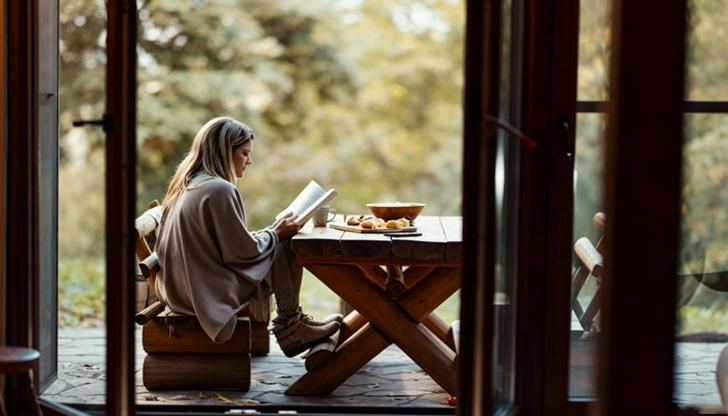
One of the biggest surprises for first-time cabin renters is how different real silence feels.
Hotel silence is controlled and artificial. Even in quiet hotels, there are still elevators humming, doors closing, air conditioners running, and distant hallway conversations. The environment never truly feels isolated.
Cabin silence feels alive.
At night, people often notice sounds they normally ignore or never hear at all: creaking wooden walls, insects outside, distant animal calls, or tree branches moving in the wind. During storms, rain on a metal roof can completely transform the atmosphere inside the cabin.
For some people, this natural silence feels peaceful immediately. For others, it feels slightly uncomfortable at first because they are not used to environments without constant background noise.
But after a day or two, many travelers begin to relax into it. Their thoughts slow down. They stop checking their phones as often. Time starts to feel less structured.
Cabins Naturally Create a Digital Detox
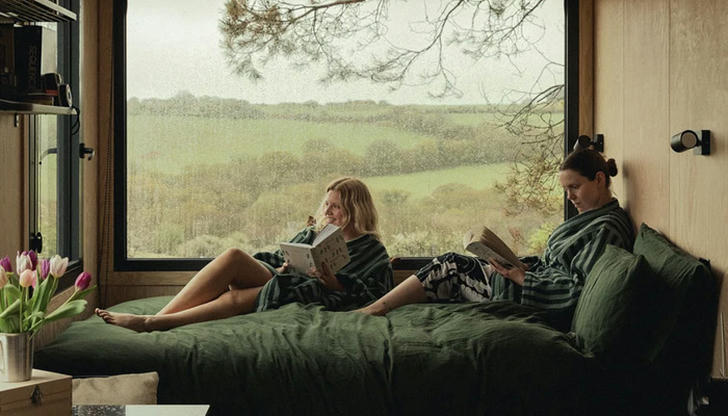
Many travelers worry about weak Wi-Fi before a cabin trip. Ironically, that often becomes one of the best parts of the experience.
Hotels are designed to keep guests connected. Strong internet, televisions, business centers, and nearby restaurants all make it easy to continue normal habits. Cabin vacations remove many of those distractions automatically.
Without delivery apps, crowded attractions, or endless entertainment options, people begin interacting with their surroundings instead. They cook meals together, sit outside longer, play cards, build fires, or simply stare out the window watching fog move through the trees.
It does not feel like a forced "digital detox." It simply happens naturally because the environment encourages different behavior.
Many families notice that children spend less time on devices during cabin vacations. Couples often talk more. Even short weekends can feel mentally refreshing in a way that surprises people.
Everyday Moments Feel More Meaningful
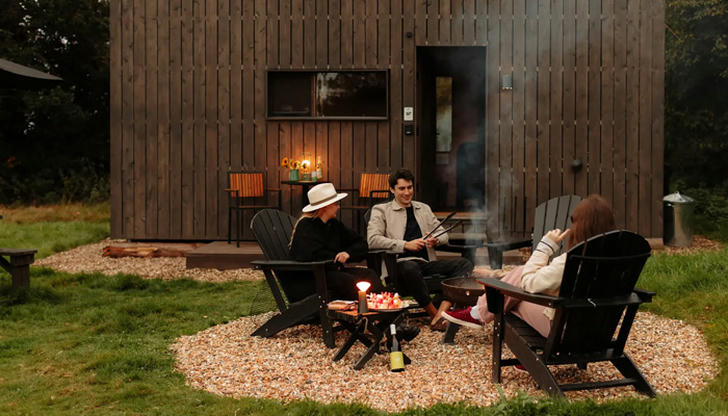
One reason cabin vacations stay memorable is that ordinary activities suddenly feel more important.
In hotels, most routines are simplified. Breakfast is downstairs. Coffee is available in the lobby. Housekeeping takes care of the mess. The experience is convenient, but also somewhat detached from daily living.
Cabins make people participate in their environment.
Making breakfast becomes part of the morning experience. Lighting a fireplace feels rewarding. Sitting on a porch with a blanket and listening to rainfall can become the highlight of the entire trip.
Nothing dramatic needs to happen for the vacation to feel meaningful.
Many people return from cabin trips remembering simple moments rather than tourist attractions: waking up to snow outside the window, hearing birds early in the morning, or drinking coffee while the forest slowly becomes visible through the fog.
Imperfections Often Make the Experience Better
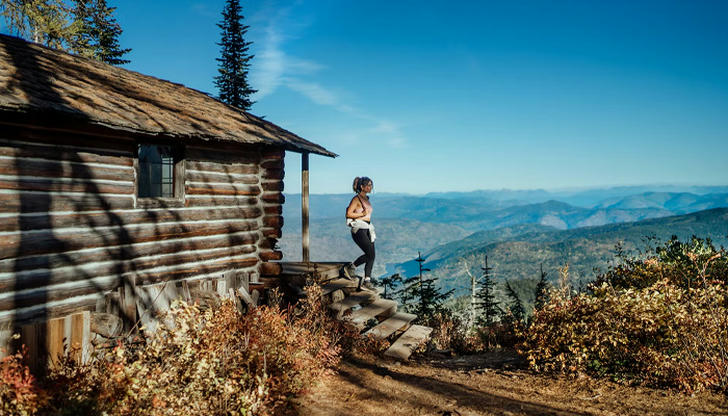
Hotels aim for perfection and consistency. Cabins rarely do.
A cabin might have muddy paths, weak water pressure, squeaky floors, or a difficult mountain road leading up to it. There may be insects, sudden weather changes, or occasional power flickers during storms.
Strangely, these imperfections often make the trip more memorable.
People rarely tell stories about a perfectly ordinary hotel hallway. But they do remember carrying firewood in the snow, getting caught in heavy rain during a hike, or struggling together to start a fire on a cold evening.
The small inconveniences create a sense of realism and participation that hotels often remove.
Cabins feel less polished, but more personal.
Cabins Help People Feel Temporarily Removed From Normal Life
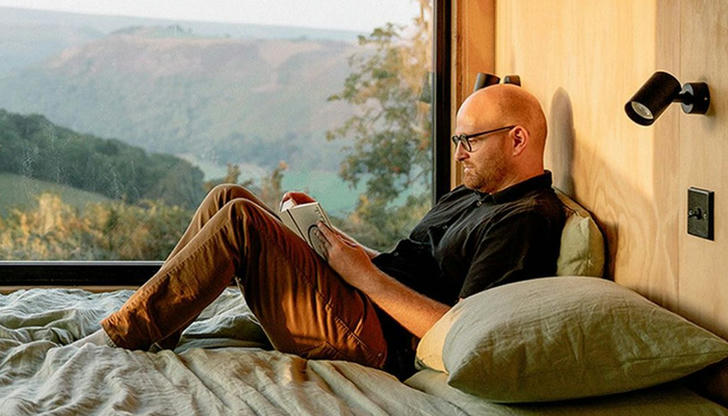
Perhaps the biggest difference between cabins and hotels is emotional rather than physical.
Hotels usually exist near busy areas filled with restaurants, shopping, nightlife, and tourism. Even when relaxing, guests still feel connected to normal life and modern routines.
Cabins create distance from that world.
The isolation, quiet surroundings, and slower pace combine to create a feeling that many people struggle to find in everyday life. Some travelers even notice that they sleep better in cabins, despite having fewer comforts than luxury hotels.
There is less decision-making, less rushing, and less pressure to constantly stay productive.
For a few days, life becomes simpler.
That feeling is difficult to recreate in most traditional travel experiences, which is why so many people continue returning to cabins year after year.
Final Thoughts
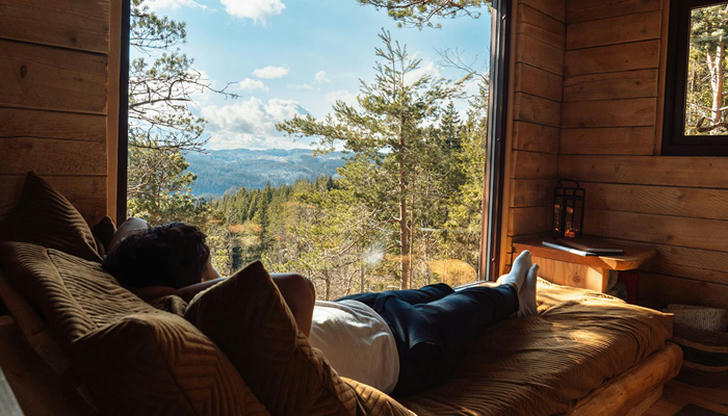
Cabin vacations are not necessarily better than hotels because they are more luxurious. In many cases, they are actually less convenient.
What makes them special is the way they change human behavior and attention.
Cabins encourage people to slow down, notice their surroundings, disconnect from constant stimulation, and enjoy ordinary moments again. They create space for quiet conversations, long mornings, and the kind of memories that feel personal rather than scheduled.
A hotel may impress people for a weekend.
A cabin often stays in their mind much longer after they leave.